Guangzhou New Voyage Tech Co., Ltd.


-
-
High Intensity Obstruction Light
High Intensity Obstruction Light high intensity obstacle lights, HV transmission tower obstruction lights, solar obstruction lights High-intensity obstacle lights are used to indicate the presence of towers and high-rise buildings etc. with height above the level of the surrounding ground exceeding 150m. More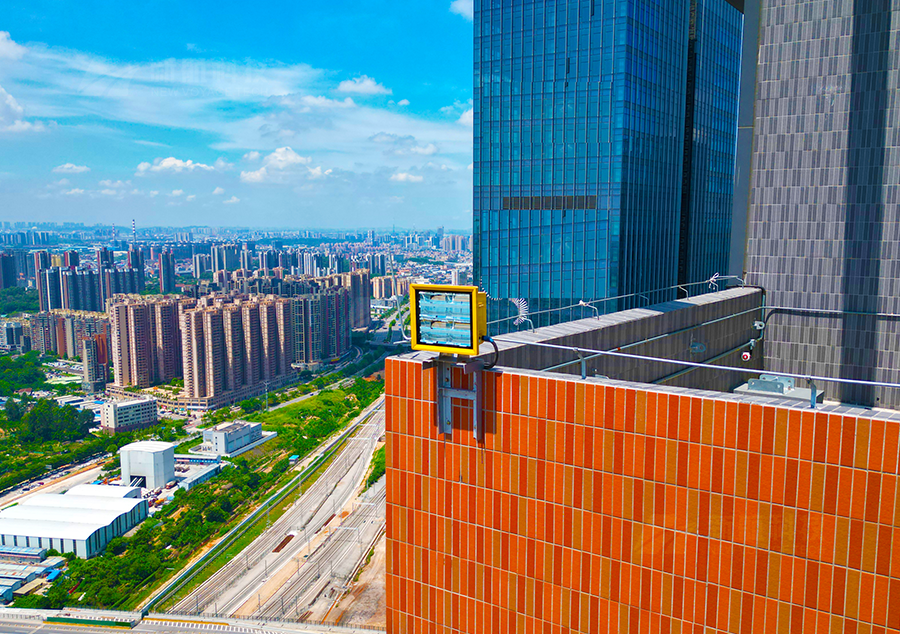
-
Medium Intensity Obstruction Light
Medium Intensity Obstruction Light medium intensity aviation lights, medium intensity aircraft warning lights, tower obstruction lights Medium-intensity obstacle lights, Types A and C, should be used alone, whereas medium-intensity obstacle lights, Type B, should be used either alone or in combination with low-intensity obstacle lights, Type B. More
-
Low Intensity Obstruction Light
Low Intensity Obstruction Light L810 obstruction light, red fixed obstruction light, tower crane warning light Low-intensity obstacle lights, Type A or B, should be used where the object is a less extensive one and its height above the surrounding ground is less than 45 m. More
-
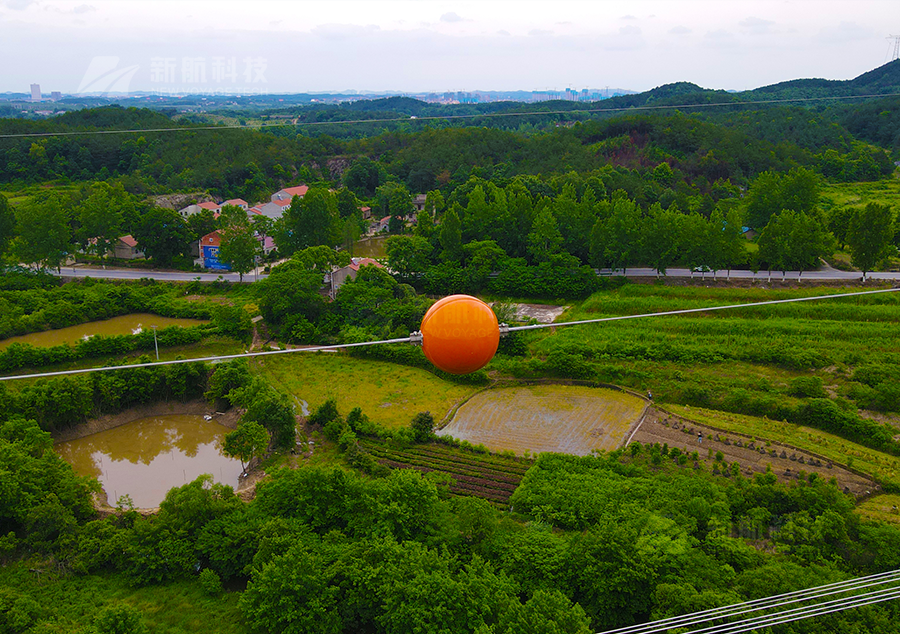
Aircraft Warning Sphere aircraft warning balls, transmission line warning spheres Aircraft warning spheres are typically installed on power lines span long distances crossing deep valleys, lakes and rivers etc., in area of approaches to airports and aerodromes. More
-
Obstacle Light Controller obstruction lights control panel, control system for aircraft warning lights New Voyage Tech provides customized controlling solutions for hig-rise buildings with BMS, telecom towers and chimney etc. Enable users to control and monitor operation status of the obstruction lights. More
-
-
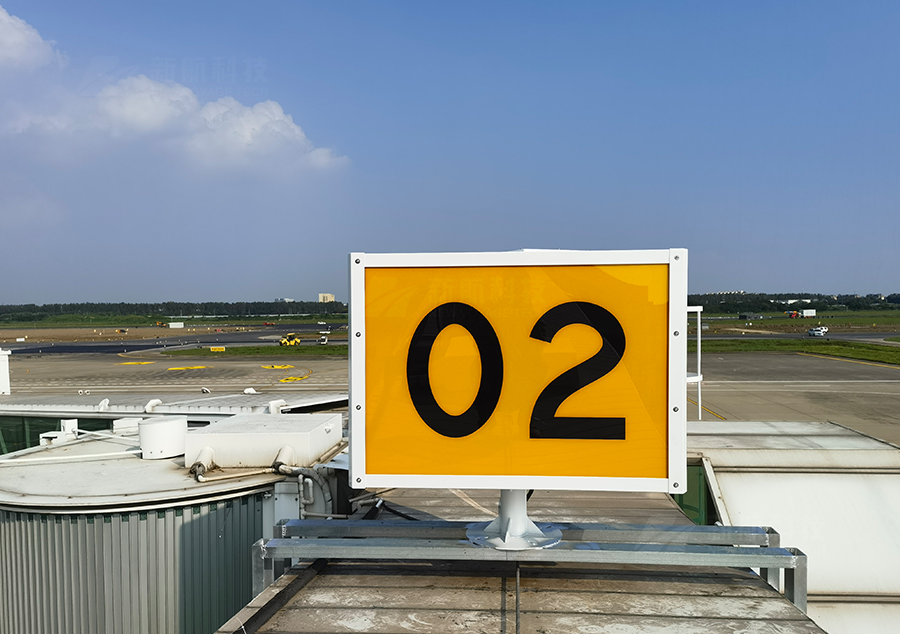
Airfield Guidance Sign direction signs, information signs, location signs, mandatory instruction signs, runway/taxiway sign Airport sign systems provide visual cues to pilots and vehicle operators that enhance safe and efficient movement within the airfield environment. Elevated signs protect aeronautical surfaces and convey ground navigation information that enhances situational awareness when maneuvering on the airfield. More
-
Unserviceability Light solar unserviceable area light, >10cd, red fixed, omidirectional light. Red fixed light for marking unserviceable area temporarily. A minimum of four such lights should be used, except where the area is triangular in shape where a minimum of three lights may be employed. Unserviceable area lights should be frangible. More

-
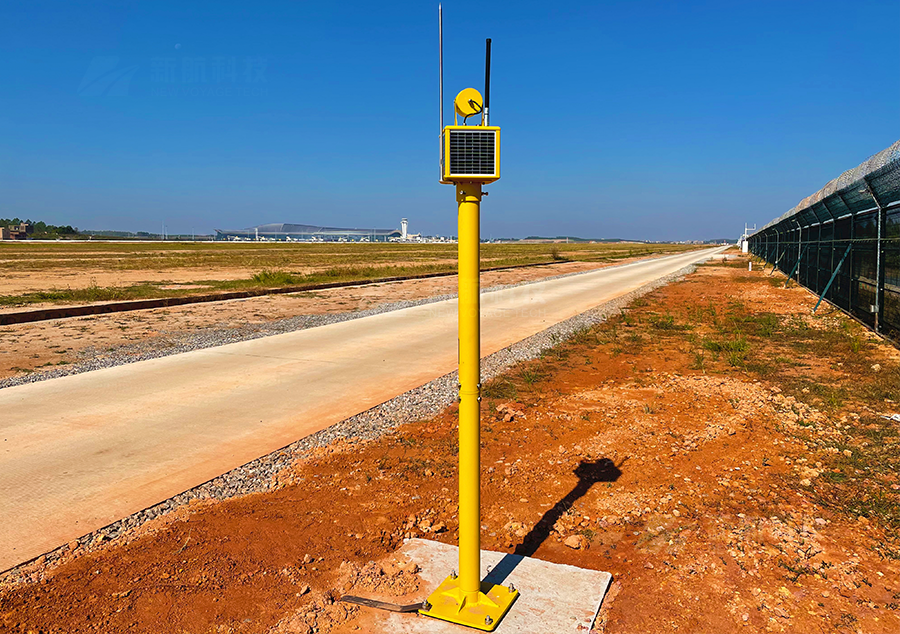
Meteorological visibility Light
-
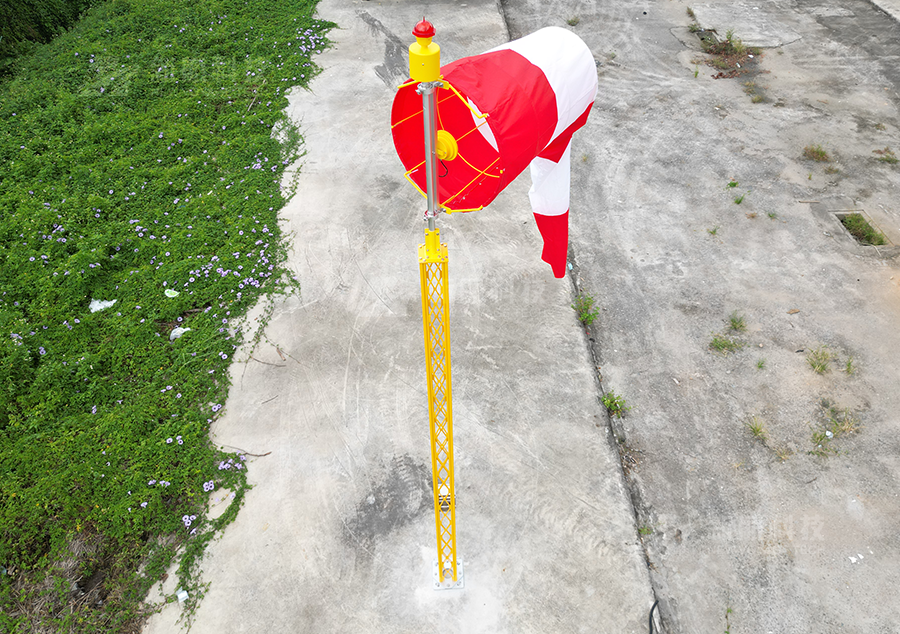
Wind Direction Indicator airport wind cone, frangible wind cone, rigid wind cone, internally lighted wind sock, wind vane Wind cones are used at airports to gives a clear indication of the direction of the wind and a general indication of the wind speed. Available in Type L806, Type L807 and Type L808. More
-
-
Taxiway Retroreflective Marker
Taxiway Retroreflective Marker retro reflective taxiway edgemarker, taxiway edge markings, airport retroflective marker Marking the edge of the taxiways, runways, ends and threshold. More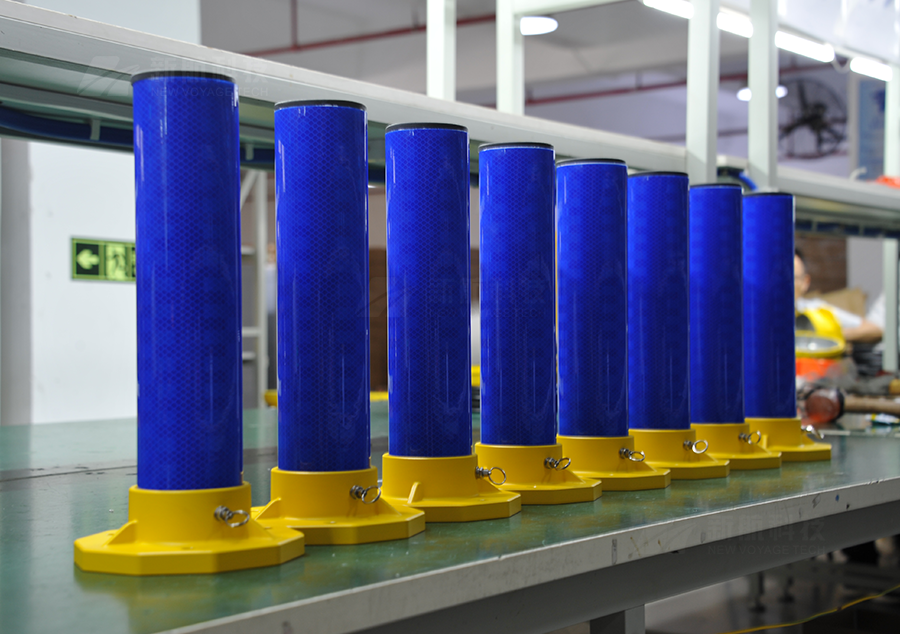
-
-
Touchdown and Lift-off Area Light
Touchdown and Lift-off Area Light TLOF perimeter light, heliport TLOF light, helipad TLOF light, TLOF inset light, TLOF elevated light Inset / elevated green fixed omidirectional light, to provide lighting for the touchdown and take-off area, enable the pilot to distinguish the touchdown and take-off area and its essential elements during the final approach. More
-
Aiming Point Light LED aiming point light of heliport, white, omnidirectional, 100cd Aiming point lights shall form a pattern of at least six omnidirectional white lights. The lights shall be inset when a light extending above the surface could endanger helicopter operations. More

-
Final Approach and Take Off Area Light
Final Approach and Take Off Area Light FATO perimeter light, FATO light of heliport, withe omnidirectional light, 100cd Use of minimum of four flush or raised light fixtures per side of a square or rectanular FATO. Space lights at intervals of not more than 50m. To define a circular FATO, use a minimum of ten lights at intervals of not more than 5m. More
-
Heliport Beacon heliport indentification beason, white light, 2500cd A heliport beacon should be provided ata heliport where long-range visual guidance is considered necessary and is not provided by other visual means; or identification of the heliport is difficult due to surrounding lights. More

-
Heliport Floodlight Flood light Heliport floodlights illuminate the parking/apron and touchdown area so pilots can see surface markings and judge height and position during night or low-visibility operations, and so ground personnel can safely load, unload, and service the helicopter. They are aimed downward with glare control and are typically supplementary to perimeter lighting. More

-
Heliport Wind Direction Indicator
Heliport Wind Direction Indicator lighted wind cone, wind direction indicator, heliport wind vane A heliport should be equipped with at least one wind cone that gives a clear indication of the direction of the wind and a general indication of the wind speed. The wind cone must be placed outside the safety zone and away from flight paths. More
-
Flight Path Alignment Guidance Light
Flight Path Alignment Guidance Light indicates the avialable approach and/or departure path direction Consists of a row of three or more lights spaced uniformly a total minimum distance of 6.2m. Intervals between lights should not be less than 1.5m and should not exceed 3m. Where space permits, there should be five lights. The lights should be steady onnidirectional insent white lights. More
-
Taxiway Edge Light at least 2cd from 0° to 6° vertical, and 0.2 cd at any vertical angles between 6° and 75° Taxiway edge lights shall be fixed lights showing blue. The lights shall show up to at least 75° above the horizontal and at all angles in azimuth necessary to provide guidance to a pilot taxiing in either direction. More

-
Heliport Controller helipad control panel, heliport radio controller, heliport VHF controller Provide complete control of heliport lights. Lights control can be provided by low voltage DC or AC power. The output of the controller can be activated manually by switches, or automatically with the use of a photocell and/or VHF radio control. More
-
-
Heliport Lights helipad lights, heliport landing zone lights, heliport perimeter light We provide full range of heliport lights with control system suitable for surface level heliports and elevated heliports. These lights comply with ICAO and CAAC standards, contributing to the safety of landings or takeoffs. More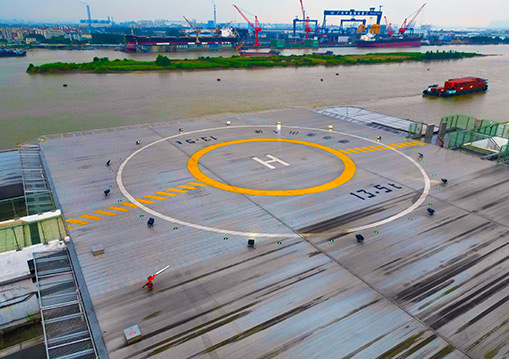
-
Airfield Lights Airport navigation lights are important facilities for ensuring the safe takeoff and landing of airc In the pitch-black night sky, they shine like stars, guiding airplanes to accurate taxiing and takeoff. These lights not only provide clear visual guidance for pilots, but also serve as a source of their confidence. In every corner of the airport, approach lights silently guard, ensuring the safety of aircraft. They are like guardians in the night sky, always sticking to their posts regardless of wind, rain, or thunder. In busy airports, approach lights play a vital role, ensuring the order and safety of flights, allowing every flight to take off safely. These are the airport approach lights, silently guarding our dreams of flight. More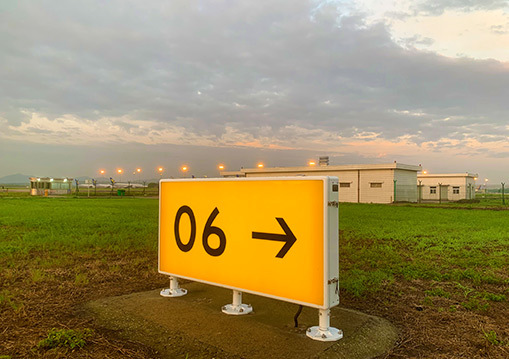
-
Aviation Obstruction Lights aircraft warning light, obstacle lights, aeronautical obstruction lights Typically installed on tall structures such as high-rise buildings, bridges, and towers. Its main function is to warn aircrafts to avoid collisions. These lights feature delivering high luminance at quite low power consumption. More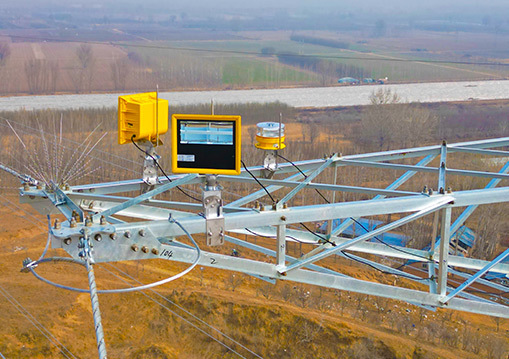
-
Aiming Point Lights: Your Comprehensive Guide to Optimal Traffic Warning Solutions
2025-12-31

Aiming Point Lights: Your Comprehensive Guide to Optimal Traffic Warning Solutions
Table of Contents
- 1. Introduction to Aiming Point Lights
- 2. The Importance of Traffic Warning Solutions
- 3. How Aiming Point Lights Work
- 4. Benefits of Aiming Point Lights in Traffic Safety
- 5. Types of Aiming Point Lights Available
- 6. Installation Guide for Aiming Point Lights
- 7. Maintenance Tips for Aiming Point Lights
- 8. Cost Analysis of Aiming Point Lights
- 9. Frequently Asked Questions about Aiming Point Lights
- 10. Conclusion
1. Introduction to Aiming Point Lights
Aiming Point Lights represent a significant advancement in traffic safety technology. As roadways become increasingly congested, the need for efficient and effective traffic warning solutions has never been more critical. These lights serve as a visual cue for drivers, guiding them safely through challenging road conditions and enhancing overall traffic management.
In this guide, we will explore every aspect of Aiming Point Lights: their functionality, benefits, types, installation and maintenance processes, and associated costs. By the end of this article, you will have a comprehensive understanding of how these devices can enhance traffic safety and efficiency.
2. The Importance of Traffic Warning Solutions
The role of traffic warning solutions in maintaining road safety cannot be overstated. As urban areas expand and vehicle numbers rise, the likelihood of accidents increases. Traffic warning systems, including Aiming Point Lights, play a crucial role in preventing collisions and informing drivers of potential hazards.
These systems are designed to improve awareness and responsiveness among motorists. By providing clear visual signals, they help mitigate risks associated with poor visibility, adverse weather conditions, and complex road layouts. Aiming Point Lights, in particular, offer unique advantages that can significantly enhance traffic safety.
3. How Aiming Point Lights Work
Aiming Point Lights utilize advanced technology to project bright, focused beams of light at strategic points along roadways. This targeted illumination serves multiple purposes:
1. **Guidance**: They guide drivers through construction zones, detours, and hazardous areas, ensuring safe navigation.
2. **Visibility Enhancement**: By illuminating specific points, they improve visibility during night-time driving or adverse weather conditions, thereby reducing the risk of accidents.
3. **Alert Mechanism**: These lights can alert drivers to the presence of pedestrians, cyclists, or other potential hazards, facilitating safer road interactions.
The effectiveness of Aiming Point Lights lies in their design and placement. When strategically positioned, they provide optimal visibility for both drivers and pedestrians, enhancing overall road safety.
4. Benefits of Aiming Point Lights in Traffic Safety
The advantages of incorporating Aiming Point Lights into traffic management systems are numerous:
1. **Increased Safety**: By providing clear visual cues, Aiming Point Lights minimize the risks of accidents in high-traffic areas and roadworks.
2. **Cost-Effective Solutions**: While the initial investment may seem substantial, the long-term benefits of reduced accidents and lower insurance costs can outweigh the upfront expenses.
3. **Adaptability**: These lights can be integrated into various environments, including urban areas, highways, and construction zones, making them versatile tools for traffic management.
4. **Improved Traffic Flow**: By ensuring that drivers are well-informed of road conditions, Aiming Point Lights can help maintain a smoother flow of traffic, reducing congestion.
5. Types of Aiming Point Lights Available
There are several types of Aiming Point Lights available, each designed for specific applications:
1. **Static Aiming Point Lights**: These lights remain fixed and provide continuous illumination at designated points.
2. **Flashing Aiming Point Lights**: These provide a dynamic visual warning, drawing more attention to critical areas.
3. **Solar-Powered Aiming Point Lights**: These eco-friendly options harness solar energy, making them cost-efficient and environmentally sustainable.
4. **Smart Aiming Point Lights**: Equipped with sensors, these lights can adapt to changing conditions, adjusting brightness and flashing patterns based on traffic flow and visibility.
Choosing the right type involves assessing specific needs and road conditions, ensuring optimal performance and safety.
6. Installation Guide for Aiming Point Lights
Installing Aiming Point Lights requires careful planning and execution. Here are the steps to ensure a successful installation:
1. **Site Assessment**: Identify the locations where Aiming Point Lights will be most effective. Consider factors such as visibility, road layout, and existing traffic patterns.
2. **Permits and Regulations**: Check with local authorities to ensure compliance with traffic regulations and obtain necessary permits for installation.
3. **Equipment Preparation**: Gather all necessary tools and materials, including the lights themselves, mounting hardware, and any required electrical components.
4. **Installation**: Follow manufacturer instructions carefully. Typically, this involves securing the lights to poles or other structures at the appropriate height and angle for maximum visibility.
5. **Testing**: Once installed, test the lights to ensure they function correctly and provide adequate illumination for the intended area.
6. **Final Check**: Conduct a final assessment to confirm that the lights are unobstructed and positioned correctly for optimal effectiveness.
7. Maintenance Tips for Aiming Point Lights
Regular maintenance is vital for ensuring the longevity and effectiveness of Aiming Point Lights. Here are some essential maintenance tips:
1. **Routine Inspections**: Conduct periodic inspections to identify any issues, such as burned-out bulbs or misaligned fixtures.
2. **Cleaning**: Keep the lights clean from dirt, dust, and debris to maintain optimal brightness and visibility.
3. **Electrical Checks**: Regularly check the electrical connections to ensure they are secure and functioning correctly.
4. **Replacement of Components**: Replace any damaged or worn-out parts promptly to maintain operation.
5. **Documentation**: Keep records of maintenance activities for future reference and compliance with safety regulations.
8. Cost Analysis of Aiming Point Lights
The cost of Aiming Point Lights can vary significantly based on several factors, including type, features, and installation requirements. Here’s a breakdown of potential costs:
1. **Initial Purchase**: The cost of Aiming Point Lights can range from a few hundred to several thousand dollars, depending on the model and features.
2. **Installation Expenses**: Labor costs for installation can vary, with rates typically ranging based on the complexity of the setup.
3. **Maintenance Costs**: Regular maintenance may incur additional expenses; however, these costs are often offset by the reduction in accidents and improved traffic flow.
4. **Long-term Investment**: Although the initial cost may seem high, the long-term savings from reduced accidents and improved traffic efficiency make Aiming Point Lights a wise investment.
9. Frequently Asked Questions about Aiming Point Lights
What are Aiming Point Lights?
Aiming Point Lights are specialized traffic warning devices designed to enhance visibility and safety on roadways by projecting focused beams of light at strategic locations.
How do Aiming Point Lights improve traffic safety?
These lights guide drivers through challenging conditions, improve visibility during adverse weather, and alert them to potential hazards, significantly reducing the risk of accidents.
Where should Aiming Point Lights be installed?
They should be installed in high-traffic areas, construction zones, and any locations where visibility is compromised, ensuring maximum effectiveness.
How often should Aiming Point Lights be maintained?
Regular inspections should be conducted at least once every six months, with immediate attention given to any issues discovered.
Are solar-powered Aiming Point Lights effective?
Yes, solar-powered Aiming Point Lights are highly effective and provide an eco-friendly alternative with reduced operational costs.
10. Conclusion
Aiming Point Lights are an essential component of modern traffic warning solutions, contributing significantly to road safety and efficient traffic management. Their functionality, coupled with the numerous benefits they provide, makes them invaluable for any roadway system. Understanding their types, installation processes, and maintenance requirements is critical for maximizing their effectiveness.
By investing in Aiming Point Lights, municipalities and organizations can foster safer road environments, reducing the likelihood of accidents and enhancing the overall driving experience. The future of traffic safety is here, and Aiming Point Lights are leading the way.


COPYRIGHT 2025 Guangzhou New Voyage Tech Co., Ltd.
Powered by 300.cn Privacy Policy City branch BusinessCard
Website product specifications and parameters are updated irregularly without further notice. Please contact our staff for the latest project product information.