Guangzhou New Voyage Tech Co., Ltd.


-
-
High Intensity Obstruction Light
High Intensity Obstruction Light high intensity obstacle lights, HV transmission tower obstruction lights, solar obstruction lights High-intensity obstacle lights are used to indicate the presence of towers and high-rise buildings etc. with height above the level of the surrounding ground exceeding 150m. More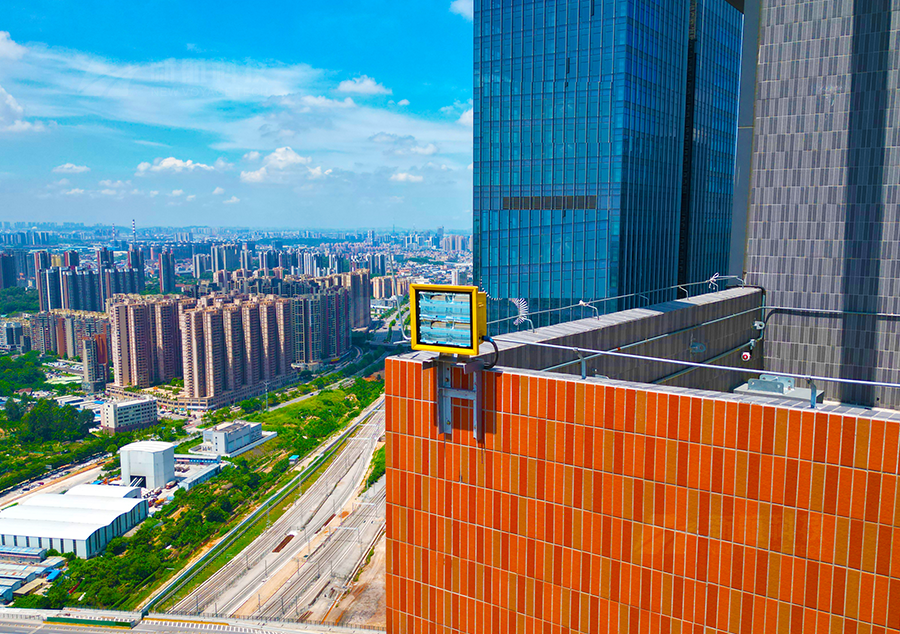
-
Medium Intensity Obstruction Light
Medium Intensity Obstruction Light medium intensity aviation lights, medium intensity aircraft warning lights, tower obstruction lights Medium-intensity obstacle lights, Types A and C, should be used alone, whereas medium-intensity obstacle lights, Type B, should be used either alone or in combination with low-intensity obstacle lights, Type B. More
-
Low Intensity Obstruction Light
Low Intensity Obstruction Light L810 obstruction light, red fixed obstruction light, tower crane warning light Low-intensity obstacle lights, Type A or B, should be used where the object is a less extensive one and its height above the surrounding ground is less than 45 m. More
-
Aircraft Warning Sphere aircraft warning balls, transmission line warning spheres Aircraft warning spheres are typically installed on power lines span long distances crossing deep valleys, lakes and rivers etc., in area of approaches to airports and aerodromes. More

-
Obstacle Light Controller obstruction lights control panel, control system for aircraft warning lights New Voyage Tech provides customized controlling solutions for hig-rise buildings with BMS, telecom towers and chimney etc. Enable users to control and monitor operation status of the obstruction lights. More
-
-
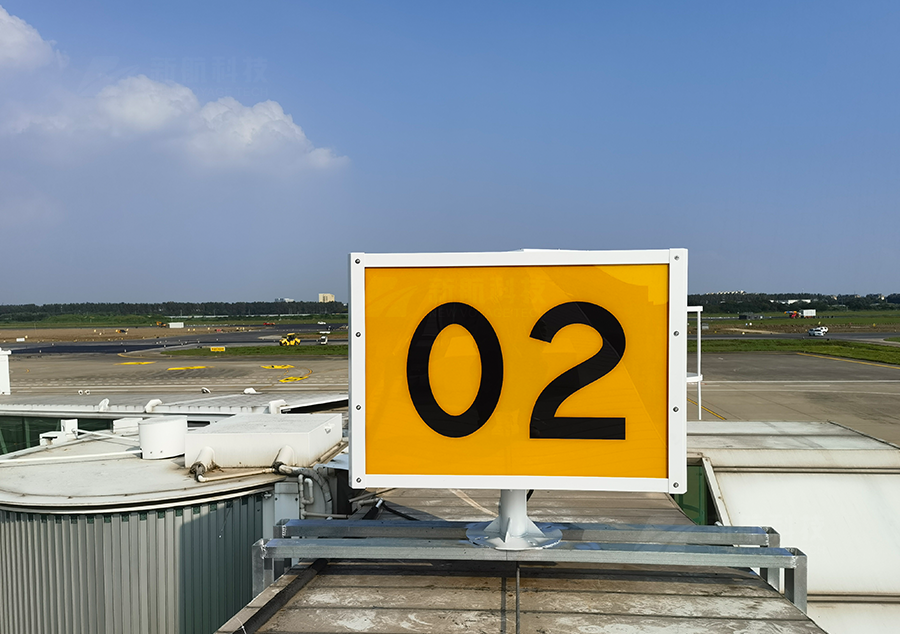
Airfield Guidance Sign direction signs, information signs, location signs, mandatory instruction signs, runway/taxiway sign Airport sign systems provide visual cues to pilots and vehicle operators that enhance safe and efficient movement within the airfield environment. Elevated signs protect aeronautical surfaces and convey ground navigation information that enhances situational awareness when maneuvering on the airfield. More
-
Unserviceability Light solar unserviceable area light, >10cd, red fixed, omidirectional light. Red fixed light for marking unserviceable area temporarily. A minimum of four such lights should be used, except where the area is triangular in shape where a minimum of three lights may be employed. Unserviceable area lights should be frangible. More

-
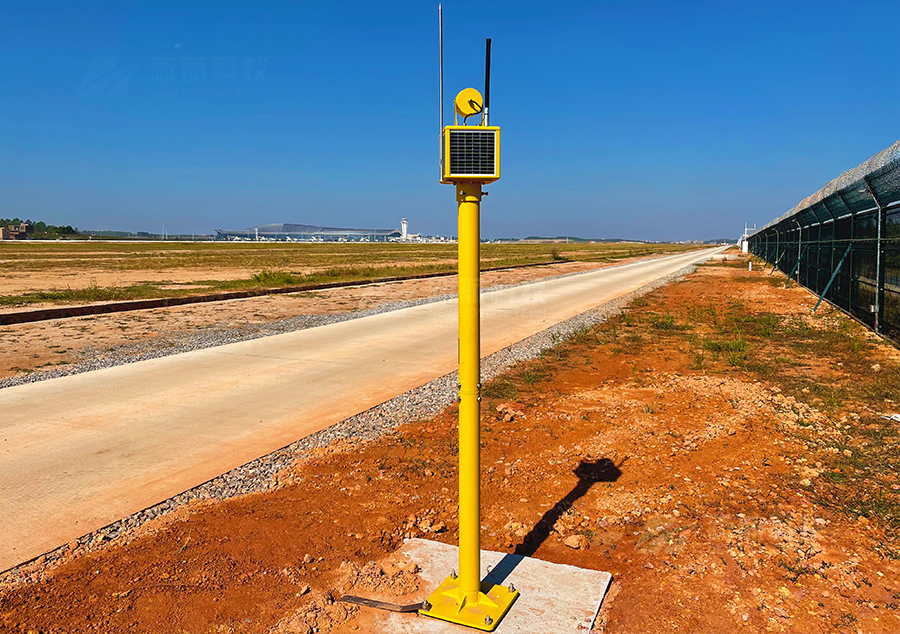
Meteorological visibility Light
-
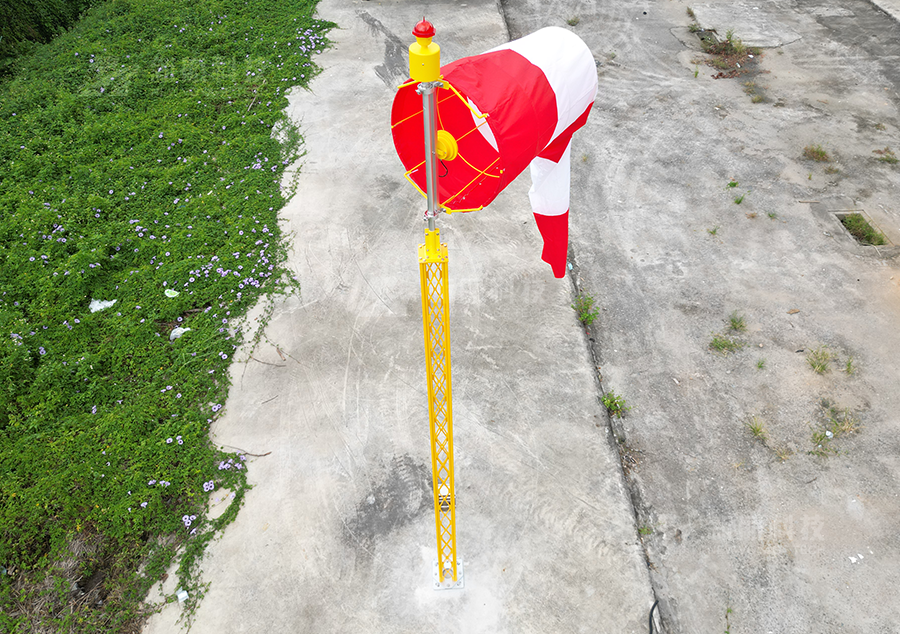
Wind Cone airport wind cone, frangible wind cone, rigid wind cone, internally lighted wind sock, wind vane Wind cones are used at airports to gives a clear indication of the direction of the wind and a general indication of the wind speed. Available in Type L806, Type L807 and Type L808. More
-
-
Taxiway Retroreflective Marker
Taxiway Retroreflective Marker retro reflective taxiway edgemarker, taxiway edge markings, airport retroflective marker Marking the edge of the taxiways, runways, ends and threshold. More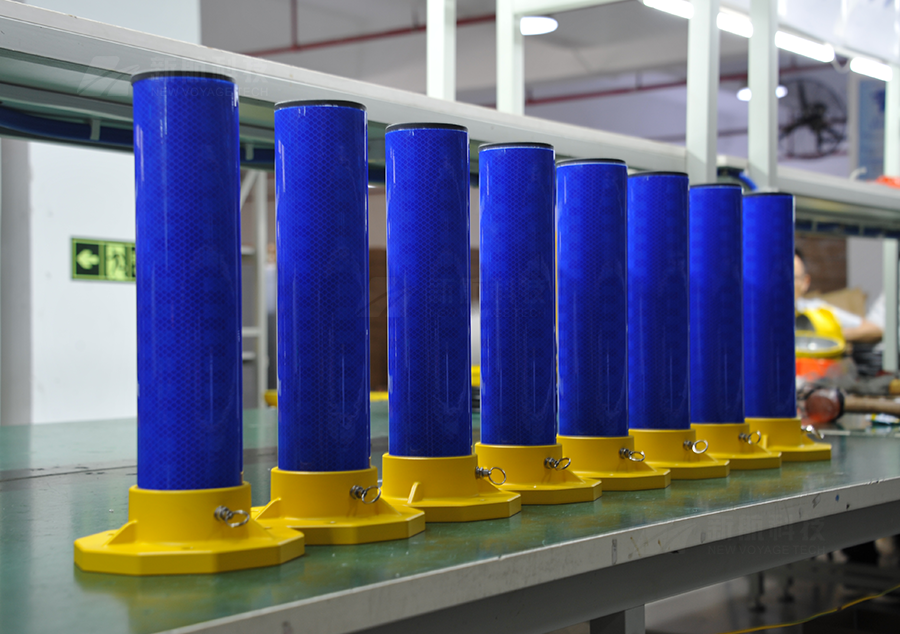
-
-
Touchdown and Lift-off Area Light
Touchdown and Lift-off Area Light TLOF perimeter light, heliport TLOF light, helipad TLOF light, TLOF inset light, TLOF elevated light Inset / elevated green fixed omidirectional light, to provide lighting for the touchdown and take-off area, enable the pilot to distinguish the touchdown and take-off area and its essential elements during the final approach. More -
Aiming Point Light LED aiming point light of heliport, white, omnidirectional, 100cd Aiming point lights shall form a pattern of at least six omnidirectional white lights. The lights shall be inset when a light extending above the surface could endanger helicopter operations. More
-
Final Approach and Take Off Area Light
Final Approach and Take Off Area Light FATO perimeter light, FATO light of heliport, withe omnidirectional light, 100cd Use of minimum of four flush or raised light fixtures per side of a square or rectanular FATO. Space lights at intervals of not more than 50m. To define a circular FATO, use a minimum of ten lights at intervals of not more than 5m. More -
Heliport Beacon heliport indentification beason, white light, 2500cd A heliport beacon should be provided ata heliport where long-range visual guidance is considered necessary and is not provided by other visual means; or identification of the heliport is difficult due to surrounding lights. More
-
Heliport Wind Cone lighted wind cone, wind direction indicator, heliport wind vane A heliport should be equipped with at least one wind cone that gives a clear indication of the direction of the wind and a general indication of the wind speed. The wind cone must be placed outside the safety zone and away from flight paths. More
-
Flight Path Alignment Guidance Light
Flight Path Alignment Guidance Light indicates the avialable approach and/or departure path direction Consists of a row of three or more lights spaced uniformly a total minimum distance of 6.2m. Intervals between lights should not be less than 1.5m and should not exceed 3m. Where space permits, there should be five lights. The lights should be steady onnidirectional insent white lights. More -
Taxiway Edge Light at least 2cd from 0° to 6° vertical, and 0.2 cd at any vertical angles between 6° and 75° Taxiway edge lights shall be fixed lights showing blue. The lights shall show up to at least 75° above the horizontal and at all angles in azimuth necessary to provide guidance to a pilot taxiing in either direction. More
-
Heliport Controller helipad control panel, heliport radio controller, heliport VHF controller Provide complete control of heliport lights. Lights control can be provided by low voltage DC or AC power. The output of the controller can be activated manually by switches, or automatically with the use of a photocell and/or VHF radio control. More
-
-
Heliport Lights helipad lights, heliport landing zone lights, heliport perimeter light We provide full range of heliport lights with control system suitable for surface level heliports and elevated heliports. These lights comply with ICAO and CAAC standards, contributing to the safety of landings or takeoffs. More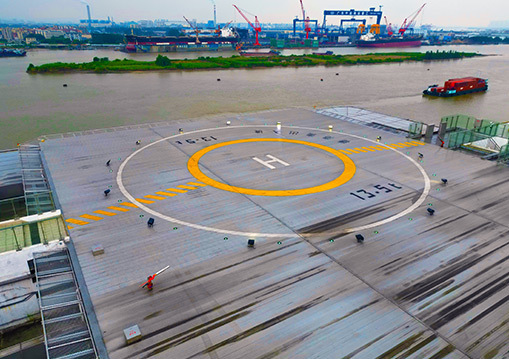
-
Airfield Lights Airport navigation lights are important facilities for ensuring the safe takeoff and landing of airc In the pitch-black night sky, they shine like stars, guiding airplanes to accurate taxiing and takeoff. These lights not only provide clear visual guidance for pilots, but also serve as a source of their confidence. In every corner of the airport, approach lights silently guard, ensuring the safety of aircraft. They are like guardians in the night sky, always sticking to their posts regardless of wind, rain, or thunder. In busy airports, approach lights play a vital role, ensuring the order and safety of flights, allowing every flight to take off safely. These are the airport approach lights, silently guarding our dreams of flight. More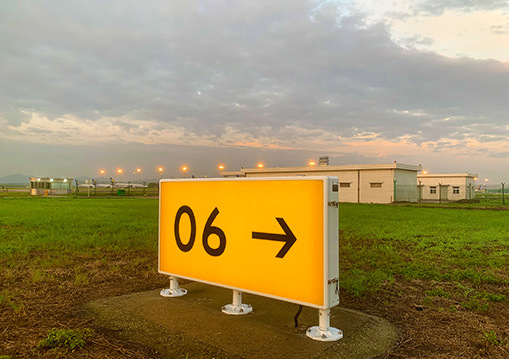
-
Aviation Obstruction Lights aircraft warning light, obstacle lights, aeronautical obstruction lights Typically installed on tall structures such as high-rise buildings, bridges, and towers. Its main function is to warn aircrafts to avoid collisions. These lights feature delivering high luminance at quite low power consumption. More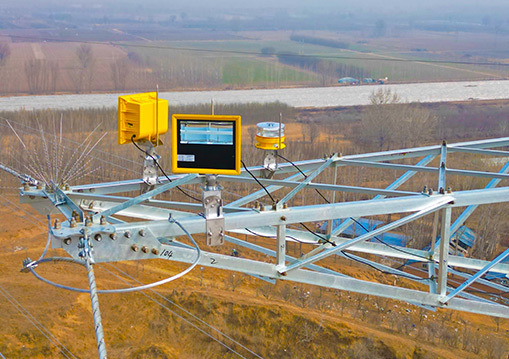
-
How Aiming Point Lights Enhance Nighttime Driving Safety
2026-03-31

How Aiming Point Lights Enhance Nighttime Driving Safety
Table of Contents
- 1. Introduction to Aiming Point Lights
- 2. The Importance of Nighttime Driving Safety
- 3. What Are Aiming Point Lights?
- 4. Key Benefits of Aiming Point Lights
- 5. How Aiming Point Lights Work
- 6. Installation Guide for Aiming Point Lights
- 7. Comparison with Other Nighttime Lighting Options
- 8. Real-World Applications of Aiming Point Lights
- 9. Conclusion
- 10. Frequently Asked Questions
1. Introduction to Aiming Point Lights
Nighttime driving presents unique challenges, often exacerbated by insufficient lighting conditions. In this context, **aiming point lights** emerge as a crucial innovation aimed at improving road safety. These specialized lights not only enhance visibility but also direct attention to critical areas, thereby reducing the likelihood of accidents. In this article, we will delve into how aiming point lights work, their benefits, and why they are essential for safe nighttime driving.
2. The Importance of Nighttime Driving Safety
Driving at night can be significantly more dangerous than daytime travel. According to the National Highway Traffic Safety Administration (NHTSA), a disproportionate number of fatal car accidents occur after dark. Factors contributing to this include:
- **Reduced Visibility**: Limited natural light makes it harder to see obstacles, pedestrians, and other vehicles.
- **Increased Fatigue**: Many drivers experience fatigue during nighttime hours, which can impair decision-making and reaction times.
- **Higher Alcohol Consumption**: Nighttime driving often coincides with social activities where alcohol consumption occurs, further increasing accident risk.
Given these factors, enhancing nighttime visibility is paramount for reducing accidents and improving safety for drivers and pedestrians.
3. What Are Aiming Point Lights?
Aiming point lights are specialized lighting systems designed to project light beams in a focused manner, illuminating specific areas with precision. Unlike standard headlights, aiming point lights are engineered to enhance visibility in critical zones, such as intersections, road signs, and pedestrian crossings. These lights can either be integrated into existing vehicle lighting systems or installed as additional features.
Key characteristics of aiming point lights include:
- **High Intensity**: These lights emit a powerful beam to ensure they are visible even in low-light conditions.
- **Directional Lighting**: Aiming point lights are designed to focus light in a specific direction, providing clarity and reducing glare for oncoming traffic.
- **Durability**: Built to withstand harsh weather conditions and road vibrations, aiming point lights offer longevity and reliability.
4. Key Benefits of Aiming Point Lights
The advantages of employing aiming point lights for nighttime driving are substantial. Here are several key benefits:
4.1 Enhanced Visibility
Aiming point lights significantly enhance visibility for drivers, illuminating essential areas on the road. This improved visibility helps in identifying potential hazards well in advance.
4.2 Increased Awareness
By focusing light on critical spots, these lights draw attention to important features like stop signs, lane markings, and pedestrians, thereby increasing driver awareness.
4.3 Reduced Accidents
Statistical data indicates that vehicles equipped with aiming point lights are less likely to be involved in nighttime collisions, showcasing their effectiveness in enhancing safety.
4.4 Improved Navigation
Aiming point lights assist drivers in navigating unfamiliar routes at night, reducing anxiety and improving confidence when driving in low-visibility conditions.
4.5 Versatile Applications
These lights can be used in various settings, including emergency vehicles, construction zones, and personal vehicles, making them versatile and beneficial across multiple scenarios.
5. How Aiming Point Lights Work
Understanding the mechanism behind aiming point lights is essential to appreciate their effectiveness. The following elements highlight how these lights function:
5.1 Light Projection Technology
Aiming point lights utilize advanced optical technology that allows for precise light projection. High-quality lenses and reflectors ensure that light is directed where it is most needed.
5.2 Adaptive Lighting Systems
Some aiming point lights are equipped with adaptive systems that adjust brightness and direction based on real-time road conditions, enhancing their functionality even further.
5.3 Integration with Vehicle Systems
Modern aiming point lights can be integrated with a vehicle's existing electrical and lighting systems, allowing for seamless operation and control.
6. Installation Guide for Aiming Point Lights
Installing aiming point lights can be a straightforward process if approached correctly. Here’s a step-by-step guide:
6.1 Gather Necessary Tools
Ensure you have the required tools, including wiring harnesses, mounting brackets, and connectors.
6.2 Identify Installation Location
Choose a location on your vehicle where the lights will be most effective, typically near the front or rear to ensure optimal visibility.
6.3 Mount the Lights
Secure the lights in place using the provided brackets and ensure they are aimed correctly to avoid blinding other drivers.
6.4 Connect the Wiring
Follow the manufacturer's instructions to connect the lights to your vehicle's electrical system. Ensure all connections are tight and secure.
6.5 Test the Lights
Once installed, test the aiming point lights to verify their functionality and adjust as necessary for optimal performance.
7. Comparison with Other Nighttime Lighting Options
While various lighting options exist for nighttime driving, aiming point lights stand out for their targeted functionality. Here’s how they compare to other common lighting solutions:
7.1 Standard Headlights
Standard headlights provide a general illumination of the road but may lack the focus necessary for highlighting critical areas. Aiming point lights complement headlights by directing attention where it is most needed.
7.2 Fog Lights
Fog lights are designed to cut through fog and heavy rain. However, they do not offer the same level of focused illumination provided by aiming point lights, which enhance night visibility for drivers.
7.3 Street Lighting
While street lighting helps illuminate roads, it often does not adequately light up crosswalks or signs. Aiming point lights can provide additional illumination to these critical areas, improving safety.
8. Real-World Applications of Aiming Point Lights
Aiming point lights have found extensive use in various real-world scenarios, showcasing their versatility and effectiveness:
8.1 Emergency Vehicles
Emergency vehicles benefit greatly from aiming point lights, as they can illuminate accident scenes and guide traffic safely around emergencies.
8.2 Construction Zones
In construction zones, aiming point lights help direct traffic and highlight construction hazards, significantly improving safety for workers and drivers alike.
8.3 Personal Vehicles
Everyday drivers can install aiming point lights on their vehicles to enhance nighttime visibility and safety, particularly when navigating poorly lit areas.
9. Conclusion
In conclusion, aiming point lights represent a significant advancement in nighttime driving safety. Their ability to enhance visibility, increase awareness, and help reduce accidents makes them an essential consideration for all vehicles. As we continue to prioritize road safety, integrating aiming point lights into our driving practices will undoubtedly contribute to safer roads for everyone. Whether for personal use, emergency applications, or construction zones, the value of aiming point lights is clear. It’s time to embrace this innovation and enhance our nighttime driving safety.
10. Frequently Asked Questions
10.1 What are the main advantages of aiming point lights?
The main advantages include enhanced visibility, increased driver awareness, reduced accidents, and improved navigation in low-light conditions.
10.2 Can I install aiming point lights on my personal vehicle?
Yes, aiming point lights can be easily installed on most personal vehicles, provided you follow the installation guidelines carefully.
10.3 How do aiming point lights differ from standard headlights?
Aiming point lights focus illumination on specific areas, whereas standard headlights provide general lighting across the road.
10.4 Are aiming point lights durable?
Yes, most aiming point lights are designed to withstand various weather conditions and road vibrations, ensuring long-term reliability.
10.5 Where should I mount aiming point lights for optimal effectiveness?
Mounting them near the front or rear of your vehicle is recommended to ensure optimal visibility and effectiveness on the road.
Previous:


COPYRIGHT 2025 Guangzhou New Voyage Tech Co., Ltd.
Powered by 300.cn Privacy Policy City branch BusinessCard
Website product specifications and parameters are updated irregularly without further notice. Please contact our staff for the latest project product information.