Guangzhou New Voyage Tech Co., Ltd.


-
-
High Intensity Obstruction Light
High Intensity Obstruction Light high intensity obstacle lights, HV transmission tower obstruction lights, solar obstruction lights High-intensity obstacle lights are used to indicate the presence of towers and high-rise buildings etc. with height above the level of the surrounding ground exceeding 150m. More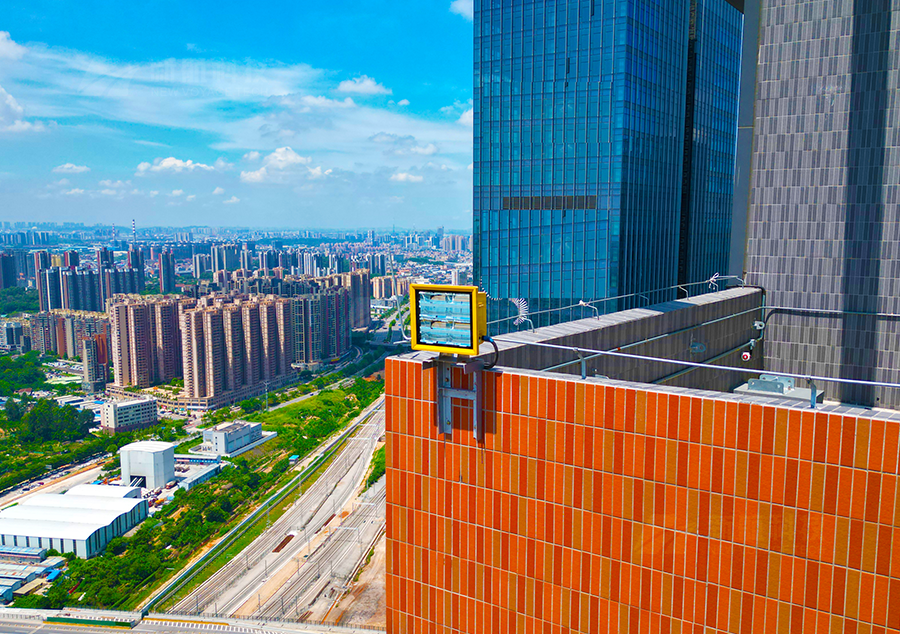
-
Medium Intensity Obstruction Light
Medium Intensity Obstruction Light medium intensity aviation lights, medium intensity aircraft warning lights, tower obstruction lights Medium-intensity obstacle lights, Types A and C, should be used alone, whereas medium-intensity obstacle lights, Type B, should be used either alone or in combination with low-intensity obstacle lights, Type B. More
-
Low Intensity Obstruction Light
Low Intensity Obstruction Light L810 obstruction light, red fixed obstruction light, tower crane warning light Low-intensity obstacle lights, Type A or B, should be used where the object is a less extensive one and its height above the surrounding ground is less than 45 m. More
-
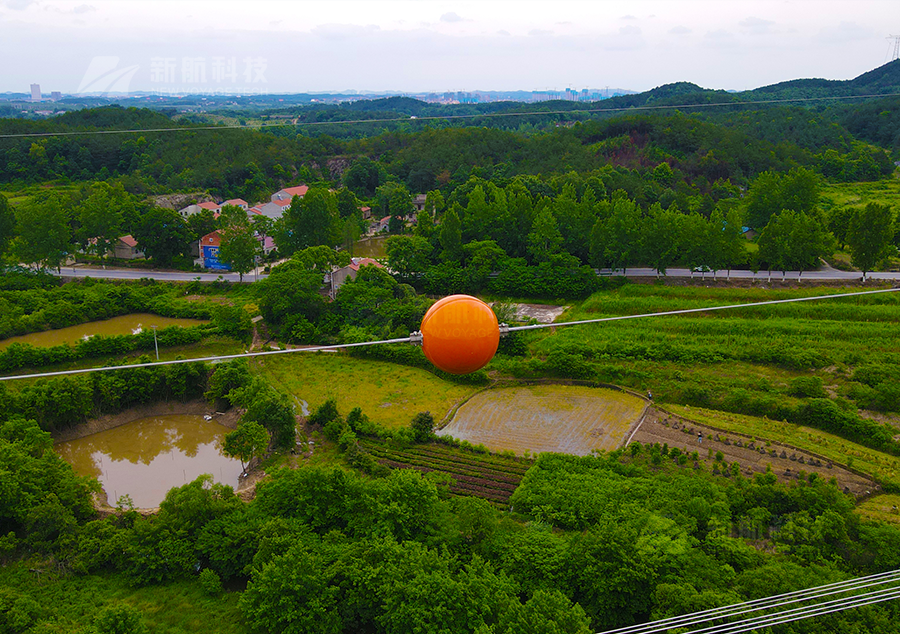
Aircraft Warning Sphere aircraft warning balls, transmission line warning spheres Aircraft warning spheres are typically installed on power lines span long distances crossing deep valleys, lakes and rivers etc., in area of approaches to airports and aerodromes. More
-
Obstacle Light Controller obstruction lights control panel, control system for aircraft warning lights New Voyage Tech provides customized controlling solutions for hig-rise buildings with BMS, telecom towers and chimney etc. Enable users to control and monitor operation status of the obstruction lights. More
-
-
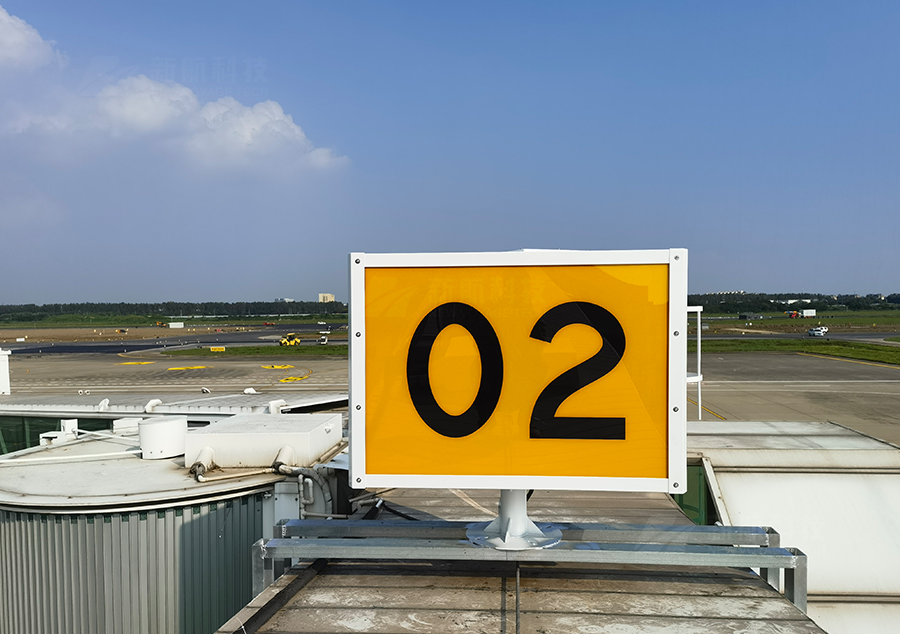
Airfield Guidance Sign direction signs, information signs, location signs, mandatory instruction signs, runway/taxiway sign Airport sign systems provide visual cues to pilots and vehicle operators that enhance safe and efficient movement within the airfield environment. Elevated signs protect aeronautical surfaces and convey ground navigation information that enhances situational awareness when maneuvering on the airfield. More
-
Unserviceability Light solar unserviceable area light, >10cd, red fixed, omidirectional light. Red fixed light for marking unserviceable area temporarily. A minimum of four such lights should be used, except where the area is triangular in shape where a minimum of three lights may be employed. Unserviceable area lights should be frangible. More

-
Meteorological visibility Light
-
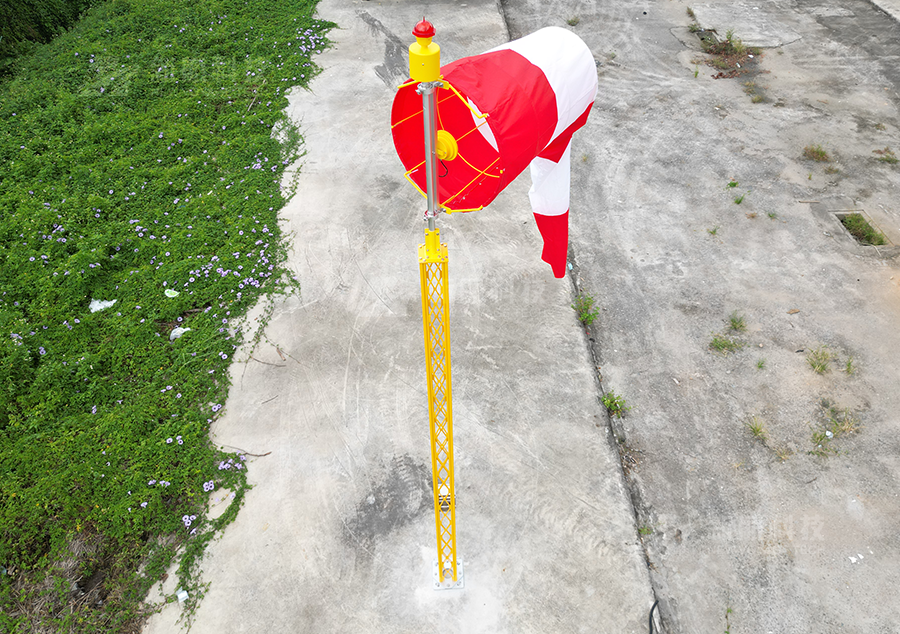
Wind Direction Indicator airport wind cone, frangible wind cone, rigid wind cone, internally lighted wind sock, wind vane Wind cones are used at airports to gives a clear indication of the direction of the wind and a general indication of the wind speed. Available in Type L806, Type L807 and Type L808. More
-
-
Taxiway Retroreflective Marker
Taxiway Retroreflective Marker retro reflective taxiway edgemarker, taxiway edge markings, airport retroflective marker Marking the edge of the taxiways, runways, ends and threshold. More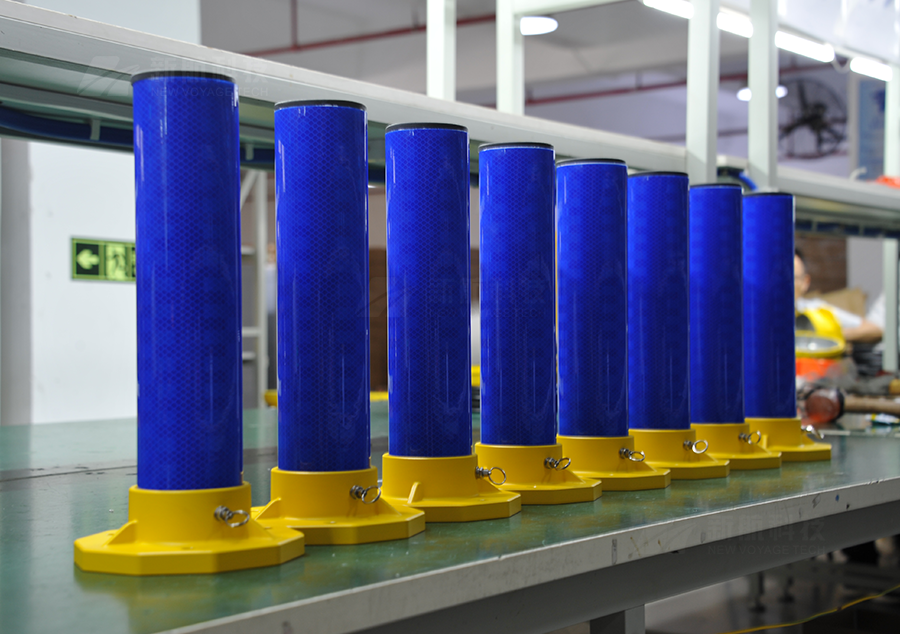
-
-
Touchdown and Lift-off Area Light
Touchdown and Lift-off Area Light TLOF perimeter light, heliport TLOF light, helipad TLOF light, TLOF inset light, TLOF elevated light Inset / elevated green fixed omidirectional light, to provide lighting for the touchdown and take-off area, enable the pilot to distinguish the touchdown and take-off area and its essential elements during the final approach. More
-
Aiming Point Light LED aiming point light of heliport, white, omnidirectional, 100cd Aiming point lights shall form a pattern of at least six omnidirectional white lights. The lights shall be inset when a light extending above the surface could endanger helicopter operations. More

-
Final Approach and Take Off Area Light
Final Approach and Take Off Area Light FATO perimeter light, FATO light of heliport, withe omnidirectional light, 100cd Use of minimum of four flush or raised light fixtures per side of a square or rectanular FATO. Space lights at intervals of not more than 50m. To define a circular FATO, use a minimum of ten lights at intervals of not more than 5m. More
-
Heliport Beacon heliport indentification beason, white light, 2500cd A heliport beacon should be provided ata heliport where long-range visual guidance is considered necessary and is not provided by other visual means; or identification of the heliport is difficult due to surrounding lights. More

-
Heliport Floodlight Flood light Heliport floodlights illuminate the parking/apron and touchdown area so pilots can see surface markings and judge height and position during night or low-visibility operations, and so ground personnel can safely load, unload, and service the helicopter. They are aimed downward with glare control and are typically supplementary to perimeter lighting. More

-
Heliport Wind Direction Indicator
Heliport Wind Direction Indicator lighted wind cone, wind direction indicator, heliport wind vane A heliport should be equipped with at least one wind cone that gives a clear indication of the direction of the wind and a general indication of the wind speed. The wind cone must be placed outside the safety zone and away from flight paths. More
-
Flight Path Alignment Guidance Light
Flight Path Alignment Guidance Light indicates the avialable approach and/or departure path direction Consists of a row of three or more lights spaced uniformly a total minimum distance of 6.2m. Intervals between lights should not be less than 1.5m and should not exceed 3m. Where space permits, there should be five lights. The lights should be steady onnidirectional insent white lights. More
-
Taxiway Edge Light at least 2cd from 0° to 6° vertical, and 0.2 cd at any vertical angles between 6° and 75° Taxiway edge lights shall be fixed lights showing blue. The lights shall show up to at least 75° above the horizontal and at all angles in azimuth necessary to provide guidance to a pilot taxiing in either direction. More

-
Heliport Controller helipad control panel, heliport radio controller, heliport VHF controller Provide complete control of heliport lights. Lights control can be provided by low voltage DC or AC power. The output of the controller can be activated manually by switches, or automatically with the use of a photocell and/or VHF radio control. More
-
-
Heliport Lights helipad lights, heliport landing zone lights, heliport perimeter light We provide full range of heliport lights with control system suitable for surface level heliports and elevated heliports. These lights comply with ICAO and CAAC standards, contributing to the safety of landings or takeoffs. More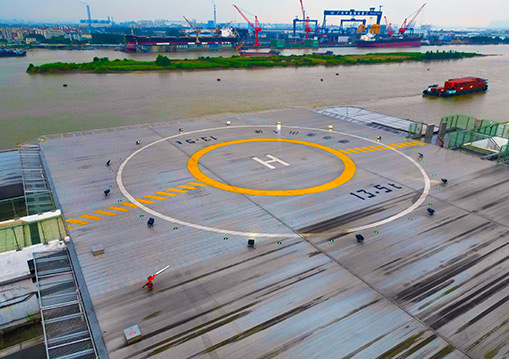
-
Airfield Lights Airport navigation lights are important facilities for ensuring the safe takeoff and landing of airc In the pitch-black night sky, they shine like stars, guiding airplanes to accurate taxiing and takeoff. These lights not only provide clear visual guidance for pilots, but also serve as a source of their confidence. In every corner of the airport, approach lights silently guard, ensuring the safety of aircraft. They are like guardians in the night sky, always sticking to their posts regardless of wind, rain, or thunder. In busy airports, approach lights play a vital role, ensuring the order and safety of flights, allowing every flight to take off safely. These are the airport approach lights, silently guarding our dreams of flight. More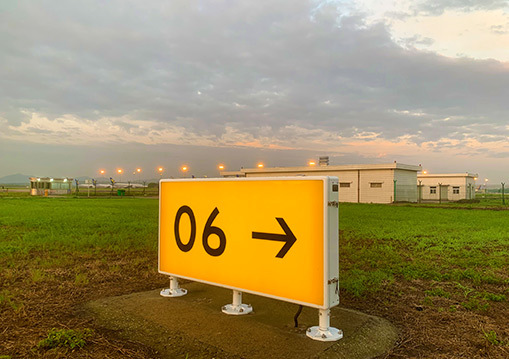
-
Aviation Obstruction Lights aircraft warning light, obstacle lights, aeronautical obstruction lights Typically installed on tall structures such as high-rise buildings, bridges, and towers. Its main function is to warn aircrafts to avoid collisions. These lights feature delivering high luminance at quite low power consumption. More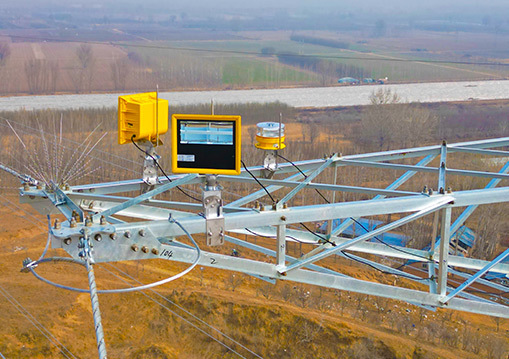
-
How to Properly Install and Maintain Your Heliport Wind Cone: A Comprehensive Guide
2026-08-28

How to Properly Install and Maintain Your Heliport Wind Cone
Table of Contents
- 1. Introduction
- 2. Understanding Heliport Wind Cones
- 3. The Installation Process
- 3.1 Site Selection for Installation
- 3.2 Preparation Steps
- 3.3 Mounting the Wind Cone
- 3.4 Testing for Accuracy
- 4. Maintenance Guidelines
- 4.1 Cleaning the Wind Cone
- 4.2 Regular Inspections
- 4.3 Repairing Damage
- 4.4 When to Replace Your Wind Cone
- 5. Safety Considerations
- 6. Conclusion
- 7. Frequently Asked Questions
1. Introduction
In the aviation industry, particularly in heliport operations, a **heliport wind cone** plays a critical role in ensuring safety and operational efficiency. This device assists pilots in assessing wind direction and strength, which is crucial during takeoffs and landings. In this guide, we will delve into the proper installation and maintenance of heliport wind cones, providing comprehensive insights to keep your operations running smoothly.
2. Understanding Heliport Wind Cones
2.1 Functionality of Wind Cones
Heliport wind cones function as visual indicators of wind direction. Typically constructed of lightweight materials, these cones inflate and orient themselves according to the wind flow, offering pilots real-time information. The visibility and accuracy of these devices are paramount for safe helicopter operations.
2.2 Types of Wind Cones
There are various types of wind cones available, including:
- **Standard Wind Cones**: Commonly used in most heliports, these are straightforward in design.
- **Lighted Wind Cones**: Equipped with lighting for night operations, ensuring visibility in low-light conditions.
- **Inflatable Wind Cones**: Made from durable fabric, these models are easy to install and transport, ideal for temporary setups.
Understanding the types available helps in selecting the right wind cone that meets your specific needs.
3. The Installation Process
3.1 Site Selection for Installation
Choosing an appropriate site for your heliport wind cone is essential. The selected location should be:
- Free from obstacles such as trees, buildings, or other structures that may obstruct wind flow.
- Clearly visible to pilots from a distance, preferably located in a prominent area of the heliport.
- Accessible for maintenance and inspection.
3.2 Preparation Steps
Before installation, follow these preparation steps:
- **Gather Necessary Tools**: Ensure you have all required tools such as a drill, wrench, and mounting brackets.
- **Check Local Regulations**: Review any local aviation regulations that may affect installation, including height restrictions and location guidelines.
- **Prepare the Site**: Clear the selected site of debris and ensure the ground is level for stable installation.
3.3 Mounting the Wind Cone
To mount the wind cone effectively:
1. **Use a Sturdy Base**: Install the wind cone on a robust base or pole that can withstand wind loads.
2. **Securely Fasten**: Use the appropriate hardware to secure the wind cone to the mounting structure. Ensure all fasteners are tight and secure to prevent movement.
3. **Adjust for Orientation**: Ensure the wind cone is orientated correctly to accurately reflect wind direction.
3.4 Testing for Accuracy
After installation, it is crucial to test the wind cone for accuracy:
- Conduct a wind test by observing the cone's orientation against actual wind conditions.
- Make adjustments as necessary to ensure the cone reliably reflects wind direction.
- Verify with a handheld anemometer for precise wind readings.
4. Maintenance Guidelines
4.1 Cleaning the Wind Cone
Regular cleaning is essential to maintain visibility:
- Use a soft cloth or sponge with mild soap to clean the surface, removing dirt and debris.
- Rinse thoroughly with water to prevent soap residue from affecting visibility.
- Schedule cleaning at least every month or more frequently in dusty environments.
4.2 Regular Inspections
Routine inspections help identify potential issues:
- Inspect the wind cone monthly for signs of wear, damage, or discoloration.
- Check the mounting hardware to ensure it remains secure and that the wind cone is stable.
- Look for any obstructions in the surrounding area that may affect wind flow.
4.3 Repairing Damage
In the event of damage, prompt repair is necessary:
- Minor tears in inflatable models can often be repaired with patch kits.
- For structural damage, assess whether repairs can restore functionality or if replacement is necessary.
- Always use manufacturer-recommended materials and methods for repairs.
4.4 When to Replace Your Wind Cone
Knowing when to replace your wind cone is key to safety:
- If the wind cone is significantly faded, torn, or damaged beyond repair, replacement is necessary.
- Consider environmental factors such as extreme weather, which can impact lifespan.
- Always opt for high-quality replacements that meet aviation standards.
5. Safety Considerations
Safety is paramount in heliport operations. Consider the following:
- Ensure all installations comply with local aviation regulations.
- Provide clear visibility and accessibility for pilots.
- Regularly train staff on maintenance protocols to ensure ongoing compliance and safety.
6. Conclusion
Proper installation and maintenance of your heliport wind cone are critical for safe aviation operations. By understanding function, following installation processes, and adhering to maintenance guidelines, you can significantly enhance the reliability of this essential device. Regular attention to the wind cone not only ensures safety but also supports the efficiency of helicopter operations, ultimately contributing to the overall success of your heliport.
7. Frequently Asked Questions
What is the purpose of a heliport wind cone?
The heliport wind cone provides pilots with a visual indication of wind direction and strength, which is critical for takeoffs and landings.
How often should I inspect my wind cone?
Regular inspections should be conducted monthly, with additional checks during extreme weather conditions.
What materials are best for a wind cone?
Lightweight and durable materials such as nylon or polyester are commonly used, ensuring easy visibility and durability.
Can I install a wind cone myself?
Yes, installation can be done by following proper guidelines. However, it’s recommended to consult professionals if you are unsure about local regulations or installation methods.
How do I know when to replace my wind cone?
Replace your wind cone when it shows significant wear, damage, or fading that impacts its visual effectiveness and structural integrity.


COPYRIGHT 2025 Guangzhou New Voyage Tech Co., Ltd.
Powered by 300.cn Privacy Policy City branch BusinessCard
Website product specifications and parameters are updated irregularly without further notice. Please contact our staff for the latest project product information.