Guangzhou New Voyage Tech Co., Ltd.


-
-
High Intensity Obstruction Light
High Intensity Obstruction Light high intensity obstacle lights, HV transmission tower obstruction lights, solar obstruction lights High-intensity obstacle lights are used to indicate the presence of towers and high-rise buildings etc. with height above the level of the surrounding ground exceeding 150m. More
-
Medium Intensity Obstruction Light
Medium Intensity Obstruction Light medium intensity aviation lights, medium intensity aircraft warning lights, tower obstruction lights Medium-intensity obstacle lights, Types A and C, should be used alone, whereas medium-intensity obstacle lights, Type B, should be used either alone or in combination with low-intensity obstacle lights, Type B. More
-
Low Intensity Obstruction Light
Low Intensity Obstruction Light L810 obstruction light, red fixed obstruction light, tower crane warning light Low-intensity obstacle lights, Type A or B, should be used where the object is a less extensive one and its height above the surrounding ground is less than 45 m. More
-
Aircraft Warning Sphere aircraft warning balls, transmission line warning spheres Aircraft warning spheres are typically installed on power lines span long distances crossing deep valleys, lakes and rivers etc., in area of approaches to airports and aerodromes. More

-
Obstacle Light Controller obstruction lights control panel, control system for aircraft warning lights New Voyage Tech provides customized controlling solutions for hig-rise buildings with BMS, telecom towers and chimney etc. Enable users to control and monitor operation status of the obstruction lights. More
-
-
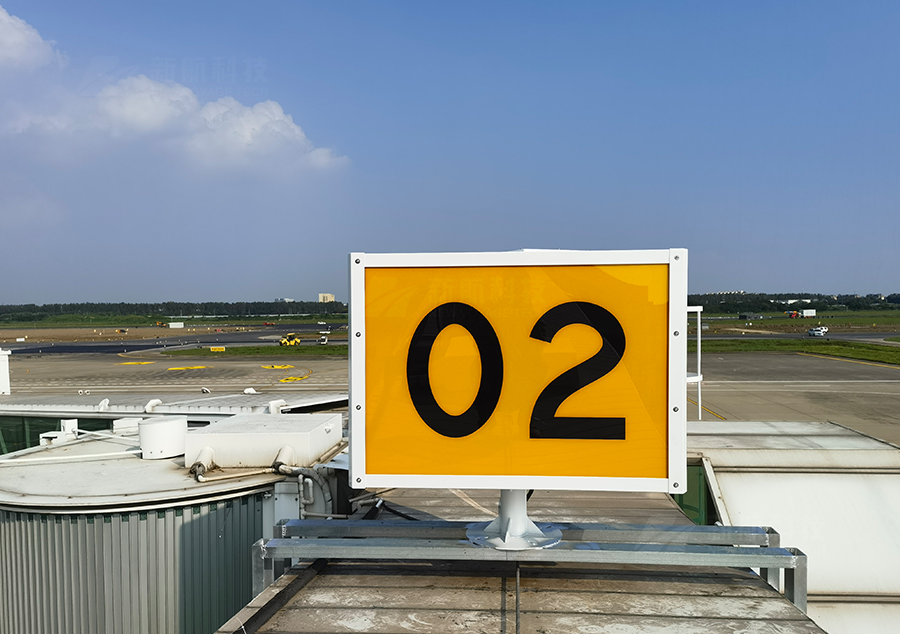
Airfield Guidance Sign direction signs, information signs, location signs, mandatory instruction signs, runway/taxiway sign Airport sign systems provide visual cues to pilots and vehicle operators that enhance safe and efficient movement within the airfield environment. Elevated signs protect aeronautical surfaces and convey ground navigation information that enhances situational awareness when maneuvering on the airfield. More
-
Unserviceability Light solar unserviceable area light, >10cd, red fixed, omidirectional light. Red fixed light for marking unserviceable area temporarily. A minimum of four such lights should be used, except where the area is triangular in shape where a minimum of three lights may be employed. Unserviceable area lights should be frangible. More

-
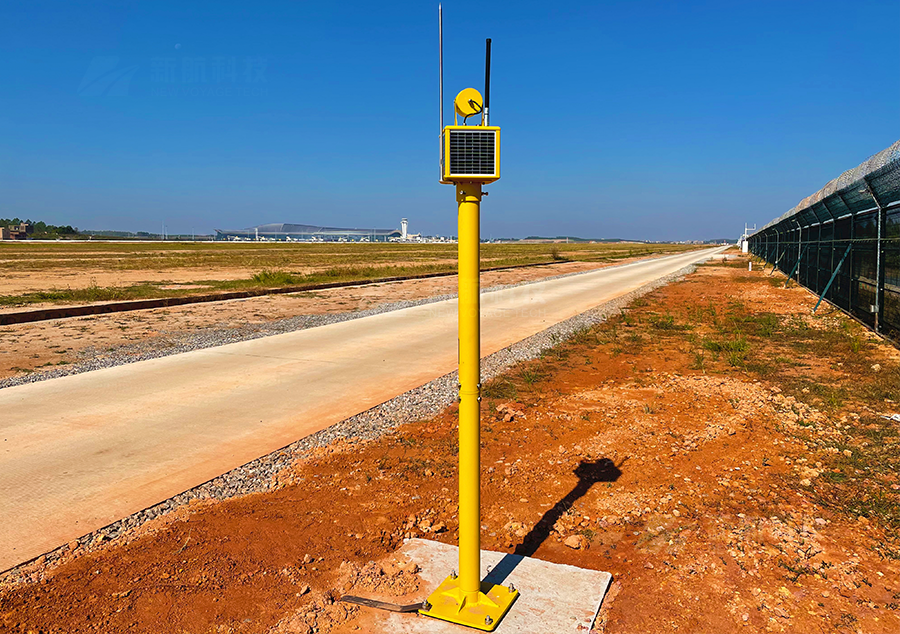
Meteorological visibility Light
-
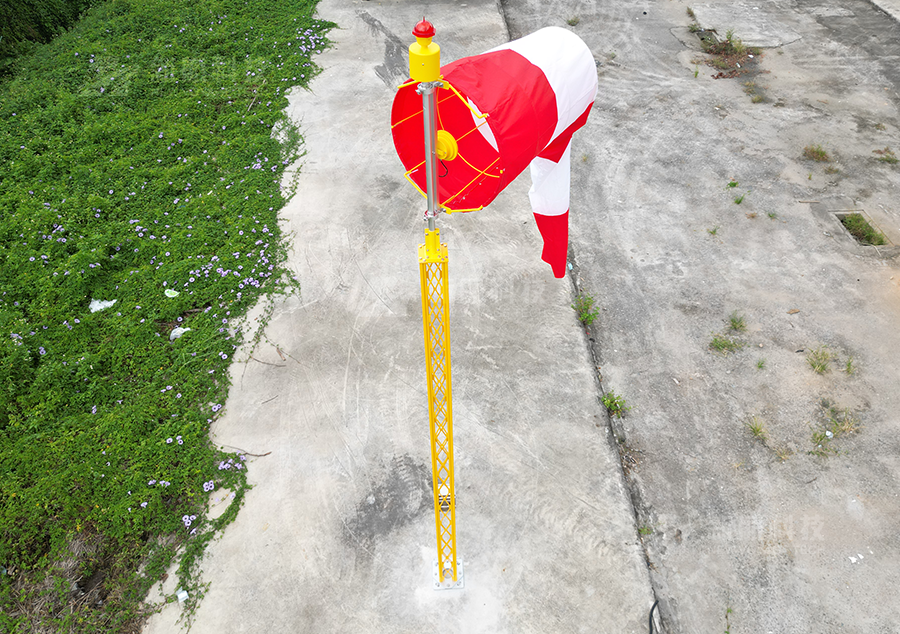
Wind Cone airport wind cone, frangible wind cone, rigid wind cone, internally lighted wind sock, wind vane Wind cones are used at airports to gives a clear indication of the direction of the wind and a general indication of the wind speed. Available in Type L806, Type L807 and Type L808. More
-
-
Taxiway Retroreflective Marker
Taxiway Retroreflective Marker retro reflective taxiway edgemarker, taxiway edge markings, airport retroflective marker Marking the edge of the taxiways, runways, ends and threshold. More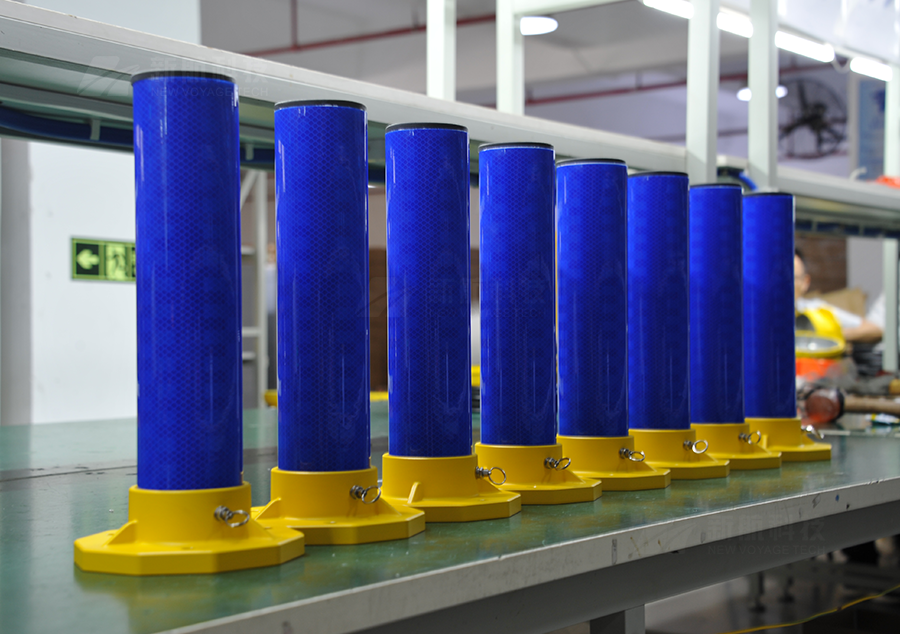
-
-
Touchdown and Lift-off Area Light
Touchdown and Lift-off Area Light TLOF perimeter light, heliport TLOF light, helipad TLOF light, TLOF inset light, TLOF elevated light Inset / elevated green fixed omidirectional light, to provide lighting for the touchdown and take-off area, enable the pilot to distinguish the touchdown and take-off area and its essential elements during the final approach. More -
Aiming Point Light LED aiming point light of heliport, white, omnidirectional, 100cd Aiming point lights shall form a pattern of at least six omnidirectional white lights. The lights shall be inset when a light extending above the surface could endanger helicopter operations. More
-
Final Approach and Take Off Area Light
Final Approach and Take Off Area Light FATO perimeter light, FATO light of heliport, withe omnidirectional light, 100cd Use of minimum of four flush or raised light fixtures per side of a square or rectanular FATO. Space lights at intervals of not more than 50m. To define a circular FATO, use a minimum of ten lights at intervals of not more than 5m. More -
Heliport Beacon heliport indentification beason, white light, 2500cd A heliport beacon should be provided ata heliport where long-range visual guidance is considered necessary and is not provided by other visual means; or identification of the heliport is difficult due to surrounding lights. More
-
Heliport Wind Cone lighted wind cone, wind direction indicator, heliport wind vane A heliport should be equipped with at least one wind cone that gives a clear indication of the direction of the wind and a general indication of the wind speed. The wind cone must be placed outside the safety zone and away from flight paths. More
-
Flight Path Alignment Guidance Light
Flight Path Alignment Guidance Light indicates the avialable approach and/or departure path direction Consists of a row of three or more lights spaced uniformly a total minimum distance of 6.2m. Intervals between lights should not be less than 1.5m and should not exceed 3m. Where space permits, there should be five lights. The lights should be steady onnidirectional insent white lights. More -
Taxiway Edge Light at least 2cd from 0° to 6° vertical, and 0.2 cd at any vertical angles between 6° and 75° Taxiway edge lights shall be fixed lights showing blue. The lights shall show up to at least 75° above the horizontal and at all angles in azimuth necessary to provide guidance to a pilot taxiing in either direction. More
-
Heliport Controller helipad control panel, heliport radio controller, heliport VHF controller Provide complete control of heliport lights. Lights control can be provided by low voltage DC or AC power. The output of the controller can be activated manually by switches, or automatically with the use of a photocell and/or VHF radio control. More
-
-
Heliport Lights helipad lights, heliport landing zone lights, heliport perimeter light We provide full range of heliport lights with control system suitable for surface level heliports and elevated heliports. These lights comply with ICAO and CAAC standards, contributing to the safety of landings or takeoffs. More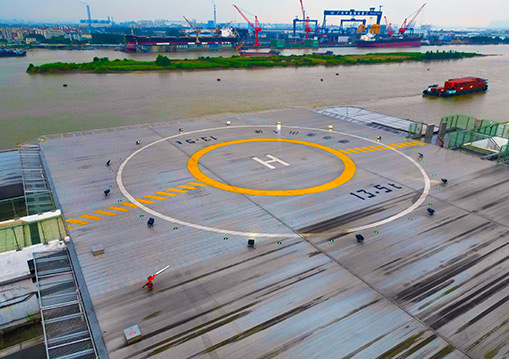
-
Airfield Lights Airport navigation lights are important facilities for ensuring the safe takeoff and landing of airc In the pitch-black night sky, they shine like stars, guiding airplanes to accurate taxiing and takeoff. These lights not only provide clear visual guidance for pilots, but also serve as a source of their confidence. In every corner of the airport, approach lights silently guard, ensuring the safety of aircraft. They are like guardians in the night sky, always sticking to their posts regardless of wind, rain, or thunder. In busy airports, approach lights play a vital role, ensuring the order and safety of flights, allowing every flight to take off safely. These are the airport approach lights, silently guarding our dreams of flight. More
-
Aviation Obstruction Lights aircraft warning light, obstacle lights, aeronautical obstruction lights Typically installed on tall structures such as high-rise buildings, bridges, and towers. Its main function is to warn aircrafts to avoid collisions. These lights feature delivering high luminance at quite low power consumption. More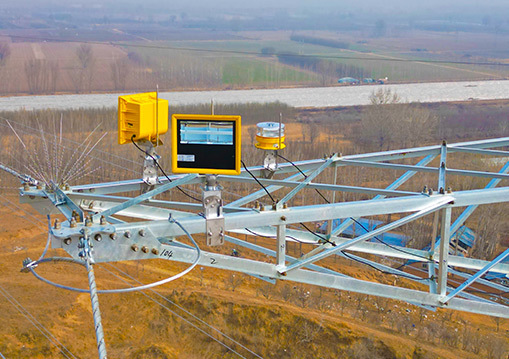
-
The Future of Heliport Beacon Lights: Trends and Innovations
2026-10-07

The Future of Heliport Beacon Lights: Trends and Innovations
As the aviation industry continuously evolves, the infrastructure supporting aerial operations must also adapt to newer technologies and safety requirements. Among these, **heliport beacon lights** stand as a crucial component for ensuring the safety and efficiency of helicopter landings and take-offs. This article will delve into the future of heliport beacon lights, exploring emerging trends and innovations shaping this essential safety feature.
Table of Contents
- 1. Understanding Heliport Beacon Lights
- 2. Importance of Heliport Beacon Lights in Aviation
- 3. Current Trends in Heliport Beacon Light Technology
- 4. Innovative Features Enhancing Safety and Efficiency
- 5. Sustainable Practices in Heliport Lighting
- 6. Regulatory Standards Impacting Heliport Beacon Lights
- 7. Future Innovations on the Horizon
- 8. FAQs About Heliport Beacon Lights
- 9. Conclusion
1. Understanding Heliport Beacon Lights
Heliport beacon lights are specialized lighting systems used to mark the location of heliports and provide guidance for pilots during landing and take-off. These lights serve not only to enhance visibility in adverse weather conditions but also to ensure the safety of operations during nighttime. Typically, they emit bright colors, such as green or white, to indicate safe landing zones while providing vital information to pilots.
2. Importance of Heliport Beacon Lights in Aviation
The significance of heliport beacon lights cannot be overstated. They contribute immensely to safety protocols in aviation, especially in urban areas where visibility may be compromised due to buildings, weather, or other obstructions. The following points highlight their importance:
2.1 Enhancing Pilot Awareness
Heliport lights increase **pilot situational awareness**, enabling them to identify landing zones quickly. This is crucial in emergency situations where every second counts.
2.2 Preventing Accidents
Properly functioning beacon lights can significantly reduce the risk of accidents caused by misidentified landing areas or poor visibility, ensuring safer operations overall.
2.3 Supporting Compliance with Regulations
Heliport beacon lights are often mandated by aviation authorities, making their integration essential for compliance with safety regulations.
3. Current Trends in Heliport Beacon Light Technology
As technology progresses, so does the functionality and design of heliport beacon lights. Keeping pace with these advancements is crucial for operational efficiency and safety.
3.1 LED Technology Adoption
**LED technology** has become the standard in heliport lighting owing to its energy efficiency and longevity. LEDs consume less power while providing high-intensity illumination, making them ideal for heliport applications.
3.2 Smart Beacon Systems
The emergence of **smart beacon systems** equipped with sensors allows for real-time monitoring of environmental conditions. These systems can adjust light intensity based on weather conditions, improving visibility when needed most.
3.3 Remote Control and Monitoring
Remote control capabilities for heliport beacon lights enable operators to manage lighting systems from a distance, allowing for quick adjustments and monitoring of functionality, thus enhancing operational efficiency.
4. Innovative Features Enhancing Safety and Efficiency
The field of heliport beacon lights is continually innovating, leading to advanced features that bolster both safety and efficiency.
4.1 Multi-Color Flashing Lights
Modern heliport lights utilize **multi-color flashing capabilities** to convey different messages to pilots, such as indicating landing status or warning of obstacles.
4.2 Integrated Communication Systems
Some advanced beacon lights are now integrated with **communication systems** that allow for direct communication between the ground crew and pilots, creating a more cohesive operational environment.
4.3 Solar Power Solutions
In an era of increasing environmental awareness, **solar-powered heliport lights** provide sustainable energy solutions, reducing reliance on grid power and minimizing operational costs.
5. Sustainable Practices in Heliport Lighting
Sustainability is becoming a primary concern in all aspects of aviation operations, including heliport lighting.
5.1 Energy-Efficient Lighting Solutions
Adopting energy-efficient lighting solutions not only cuts costs but also aligns with global sustainability goals. Utilizing LED and solar technologies minimizes energy consumption and reduces carbon footprints.
5.2 Eco-Friendly Material Usage
Using eco-friendly materials in the construction of beacon lights contributes to a more sustainable aviation framework. Manufacturers are increasingly focusing on recyclable materials that minimize environmental impact.
6. Regulatory Standards Impacting Heliport Beacon Lights
Regulatory bodies like the FAA (Federal Aviation Administration) and ICAO (International Civil Aviation Organization) set stringent guidelines for heliport beacon lights to ensure safety and efficiency.
6.1 Compliance with FAA Regulations
Heliport operators must comply with FAA regulations regarding light intensity, color, and placement to ensure proper guidance for pilots and enhance safety protocols.
6.2 Global Standards and Best Practices
In addition to national regulations, heliport lighting systems must adhere to global best practices set forth by aviation authorities, ensuring interoperability and safety across borders.
7. Future Innovations on the Horizon
The future of heliport beacon lights looks promising, with several innovations on the horizon that could revolutionize helicopter operations.
7.1 Artificial Intelligence Integration
AI technologies could offer predictive maintenance for lighting systems, ensuring they remain operational and reducing downtime. AI can also optimize light patterns based on real-time data about traffic and weather conditions.
7.2 Enhanced User Interfaces
User-friendly interfaces for managing lighting systems will make it easier for operators to control and monitor beacon lights, leading to improved operational efficiency.
7.3 Development of Autonomous Systems
The rise of autonomous systems could lead to fully automated heliport operations, where beacon lights communicate with aircraft to facilitate landings seamlessly without human intervention.
8. FAQs About Heliport Beacon Lights
8.1 What are heliport beacon lights used for?
Heliport beacon lights are crucial for marking landing areas and improving visibility for pilots, especially during low-light and adverse weather conditions.
8.2 How do LED lights benefit heliport operations?
LED lights are energy-efficient, have a longer lifespan, and provide high-intensity illumination, making them ideal for heliport applications.
8.3 Are there regulations governing heliport lighting?
Yes, heliport lighting must comply with regulations set forth by aviation authorities such as the FAA to ensure safety and operational efficiency.
8.4 What innovations are expected in heliport beacon technology?
Future innovations may include AI integration, smarter communication systems, solar power solutions, and enhanced user interfaces for better management.
8.5 How can heliport operators ensure compliance with lighting standards?
Operators should stay informed about regulatory changes, invest in compliant lighting systems, and conduct regular maintenance checks to ensure proper functionality.
9. Conclusion
In conclusion, the future of heliport beacon lights is bright, characterized by rapid technological advancements and a strong emphasis on safety and sustainability. As the aviation industry embraces new innovations, heliport operators must stay ahead of the curve, adopting the latest trends to enhance operational efficiency and ensure the safety of aerial operations. By investing in modern lighting systems and embracing sustainable practices, we can create a safer and more efficient aerial landscape for years to come.


COPYRIGHT 2025 Guangzhou New Voyage Tech Co., Ltd.
Powered by 300.cn Privacy Policy City branch BusinessCard
Website product specifications and parameters are updated irregularly without further notice. Please contact our staff for the latest project product information.