Guangzhou New Voyage Tech Co., Ltd.


-
-
High Intensity Obstruction Light
High Intensity Obstruction Light high intensity obstacle lights, HV transmission tower obstruction lights, solar obstruction lights High-intensity obstacle lights are used to indicate the presence of towers and high-rise buildings etc. with height above the level of the surrounding ground exceeding 150m. More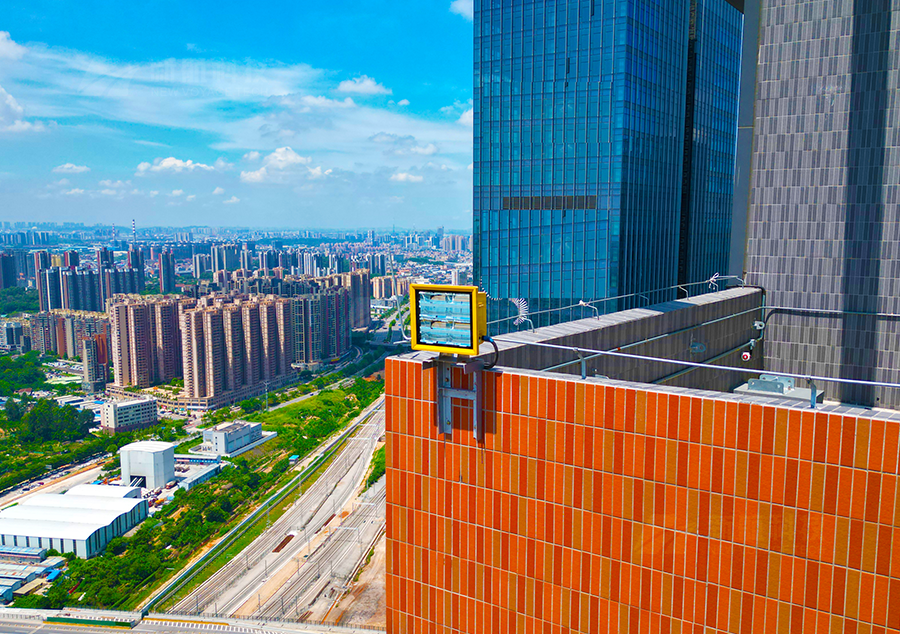
-
Medium Intensity Obstruction Light
Medium Intensity Obstruction Light medium intensity aviation lights, medium intensity aircraft warning lights, tower obstruction lights Medium-intensity obstacle lights, Types A and C, should be used alone, whereas medium-intensity obstacle lights, Type B, should be used either alone or in combination with low-intensity obstacle lights, Type B. More
-
Low Intensity Obstruction Light
Low Intensity Obstruction Light L810 obstruction light, red fixed obstruction light, tower crane warning light Low-intensity obstacle lights, Type A or B, should be used where the object is a less extensive one and its height above the surrounding ground is less than 45 m. More
-
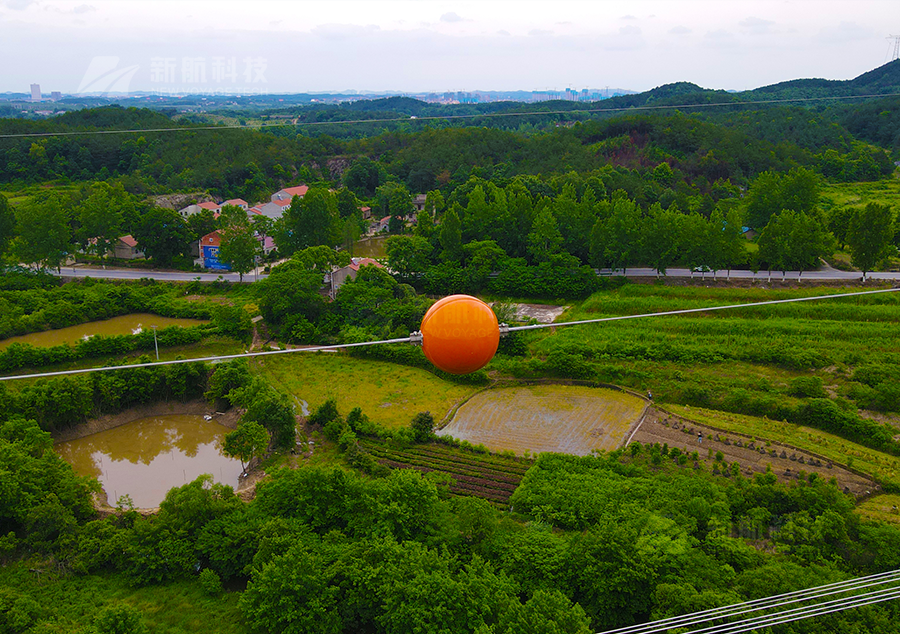
Aircraft Warning Sphere aircraft warning balls, transmission line warning spheres Aircraft warning spheres are typically installed on power lines span long distances crossing deep valleys, lakes and rivers etc., in area of approaches to airports and aerodromes. More
-
Obstacle Light Controller obstruction lights control panel, control system for aircraft warning lights New Voyage Tech provides customized controlling solutions for hig-rise buildings with BMS, telecom towers and chimney etc. Enable users to control and monitor operation status of the obstruction lights. More
-
-
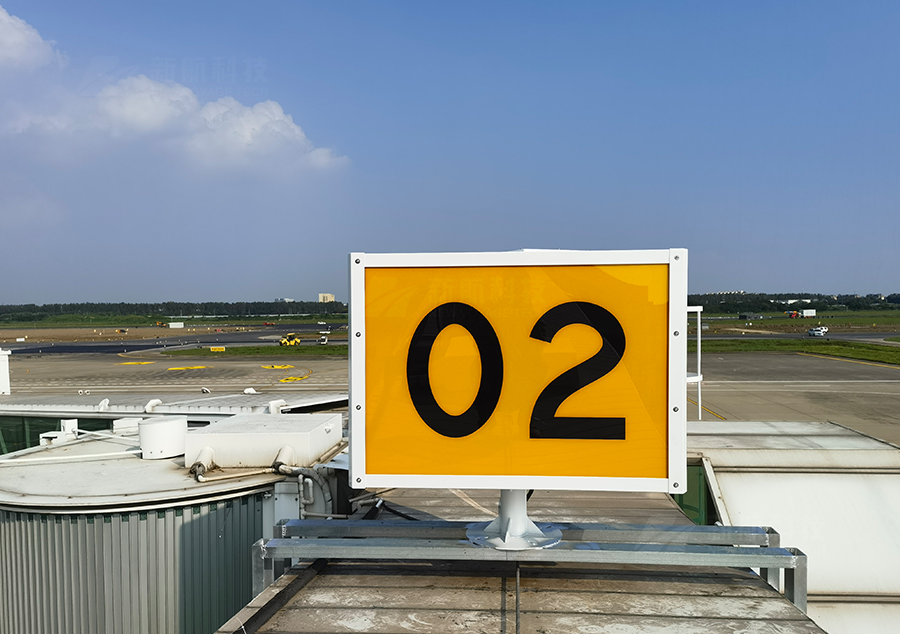
Airfield Guidance Sign direction signs, information signs, location signs, mandatory instruction signs, runway/taxiway sign Airport sign systems provide visual cues to pilots and vehicle operators that enhance safe and efficient movement within the airfield environment. Elevated signs protect aeronautical surfaces and convey ground navigation information that enhances situational awareness when maneuvering on the airfield. More
-
Unserviceability Light solar unserviceable area light, >10cd, red fixed, omidirectional light. Red fixed light for marking unserviceable area temporarily. A minimum of four such lights should be used, except where the area is triangular in shape where a minimum of three lights may be employed. Unserviceable area lights should be frangible. More

-
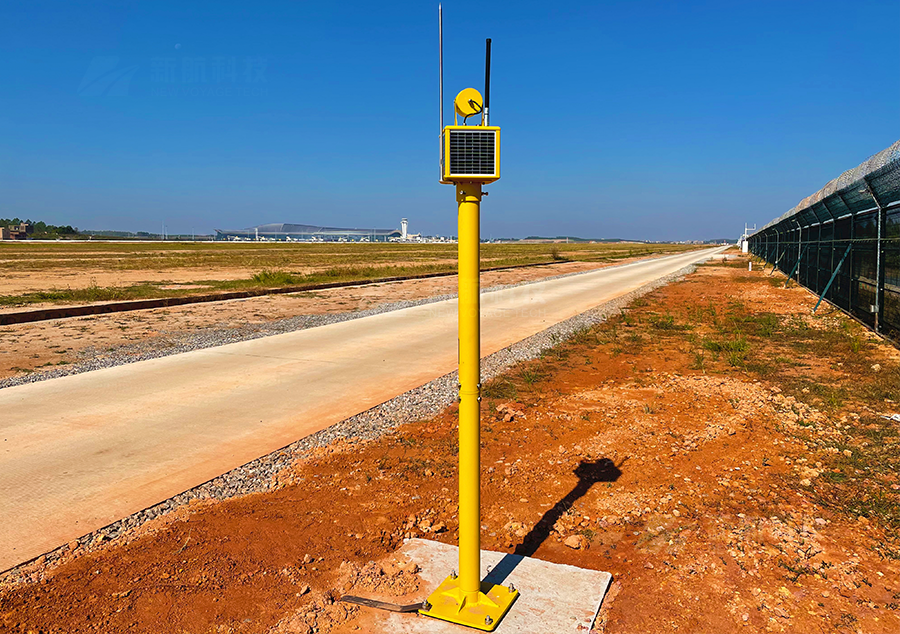
Meteorological visibility Light
-
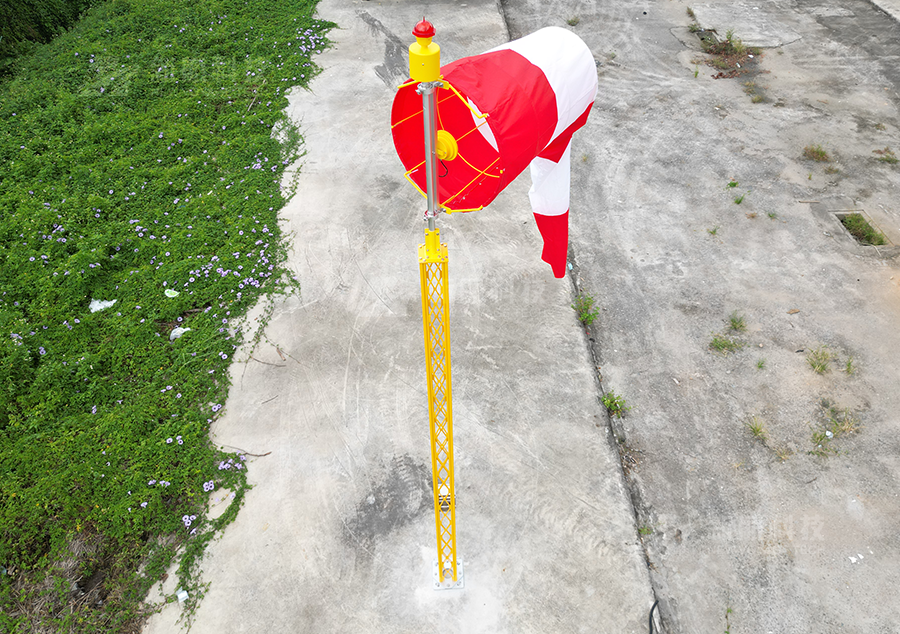
Wind Cone airport wind cone, frangible wind cone, rigid wind cone, internally lighted wind sock, wind vane Wind cones are used at airports to gives a clear indication of the direction of the wind and a general indication of the wind speed. Available in Type L806, Type L807 and Type L808. More
-
-
Taxiway Retroreflective Marker
Taxiway Retroreflective Marker retro reflective taxiway edgemarker, taxiway edge markings, airport retroflective marker Marking the edge of the taxiways, runways, ends and threshold. More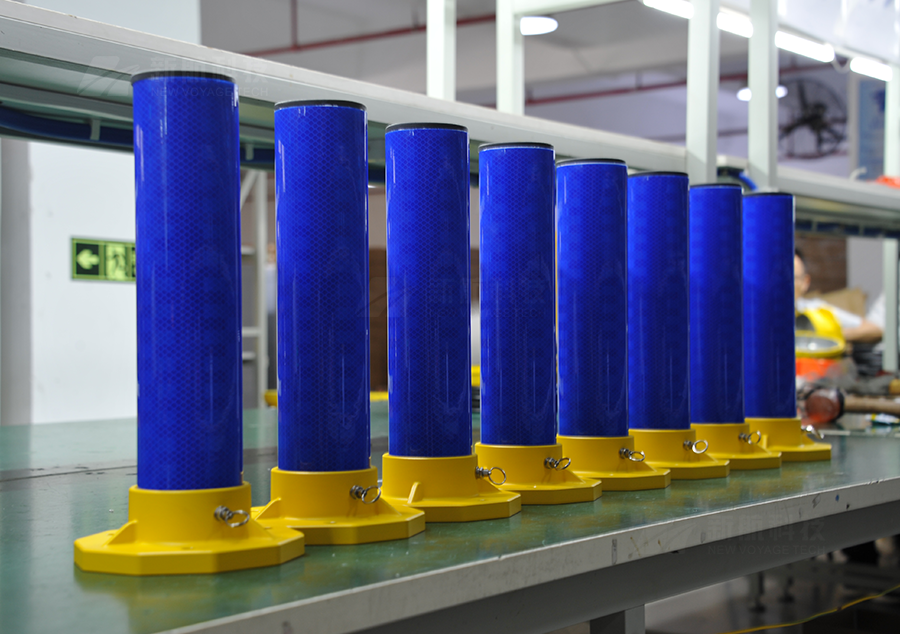
-
-
Touchdown and Lift-off Area Light
Touchdown and Lift-off Area Light TLOF perimeter light, heliport TLOF light, helipad TLOF light, TLOF inset light, TLOF elevated light Inset / elevated green fixed omidirectional light, to provide lighting for the touchdown and take-off area, enable the pilot to distinguish the touchdown and take-off area and its essential elements during the final approach. More -
Aiming Point Light LED aiming point light of heliport, white, omnidirectional, 100cd Aiming point lights shall form a pattern of at least six omnidirectional white lights. The lights shall be inset when a light extending above the surface could endanger helicopter operations. More
-
Final Approach and Take Off Area Light
Final Approach and Take Off Area Light FATO perimeter light, FATO light of heliport, withe omnidirectional light, 100cd Use of minimum of four flush or raised light fixtures per side of a square or rectanular FATO. Space lights at intervals of not more than 50m. To define a circular FATO, use a minimum of ten lights at intervals of not more than 5m. More -
Heliport Beacon heliport indentification beason, white light, 2500cd A heliport beacon should be provided ata heliport where long-range visual guidance is considered necessary and is not provided by other visual means; or identification of the heliport is difficult due to surrounding lights. More
-
Heliport Wind Cone lighted wind cone, wind direction indicator, heliport wind vane A heliport should be equipped with at least one wind cone that gives a clear indication of the direction of the wind and a general indication of the wind speed. The wind cone must be placed outside the safety zone and away from flight paths. More
-
Flight Path Alignment Guidance Light
Flight Path Alignment Guidance Light indicates the avialable approach and/or departure path direction Consists of a row of three or more lights spaced uniformly a total minimum distance of 6.2m. Intervals between lights should not be less than 1.5m and should not exceed 3m. Where space permits, there should be five lights. The lights should be steady onnidirectional insent white lights. More -
Taxiway Edge Light at least 2cd from 0° to 6° vertical, and 0.2 cd at any vertical angles between 6° and 75° Taxiway edge lights shall be fixed lights showing blue. The lights shall show up to at least 75° above the horizontal and at all angles in azimuth necessary to provide guidance to a pilot taxiing in either direction. More
-
Heliport Controller helipad control panel, heliport radio controller, heliport VHF controller Provide complete control of heliport lights. Lights control can be provided by low voltage DC or AC power. The output of the controller can be activated manually by switches, or automatically with the use of a photocell and/or VHF radio control. More
-
-
Heliport Lights helipad lights, heliport landing zone lights, heliport perimeter light We provide full range of heliport lights with control system suitable for surface level heliports and elevated heliports. These lights comply with ICAO and CAAC standards, contributing to the safety of landings or takeoffs. More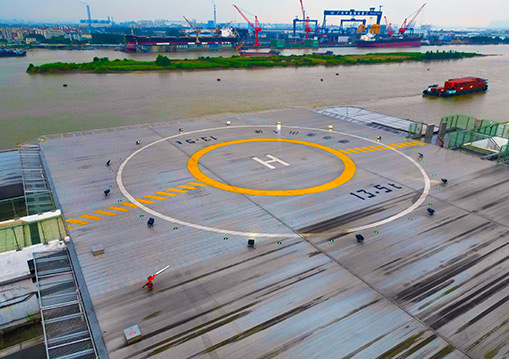
-
Airfield Lights Airport navigation lights are important facilities for ensuring the safe takeoff and landing of airc In the pitch-black night sky, they shine like stars, guiding airplanes to accurate taxiing and takeoff. These lights not only provide clear visual guidance for pilots, but also serve as a source of their confidence. In every corner of the airport, approach lights silently guard, ensuring the safety of aircraft. They are like guardians in the night sky, always sticking to their posts regardless of wind, rain, or thunder. In busy airports, approach lights play a vital role, ensuring the order and safety of flights, allowing every flight to take off safely. These are the airport approach lights, silently guarding our dreams of flight. More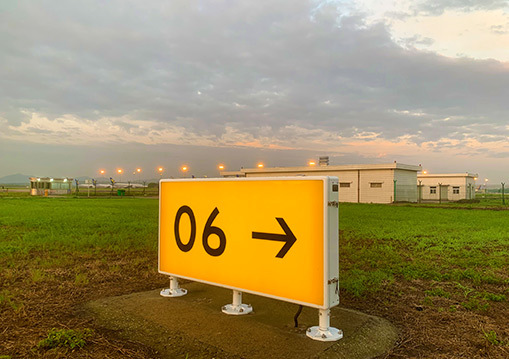
-
Aviation Obstruction Lights aircraft warning light, obstacle lights, aeronautical obstruction lights Typically installed on tall structures such as high-rise buildings, bridges, and towers. Its main function is to warn aircrafts to avoid collisions. These lights feature delivering high luminance at quite low power consumption. More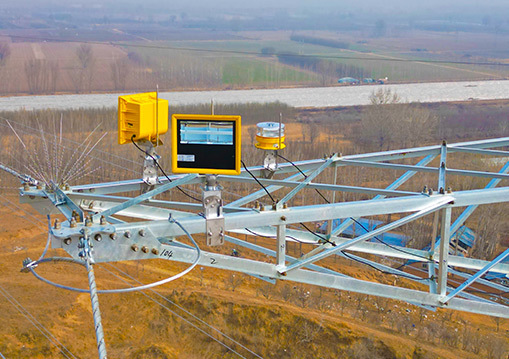
-
Top Benefits of Upgrading Your Heliport Lighting Control Cabinet
2026-10-17

Top Benefits of Upgrading Your Heliport Lighting Control Cabinet
Introduction to Heliport Lighting Control Cabinets
Heliport lighting control cabinets serve a pivotal role in ensuring the operational safety of helicopter landing and takeoff zones. These cabinets house essential components that manage lighting systems, guiding pilots during critical landing and takeoff phases. As technology advances, upgrading your heliport lighting control cabinet becomes not just advantageous but essential. In this article, we explore the **top benefits** associated with these upgrades, focusing on safety, efficiency, and compliance.
1. Enhanced Safety Features for Heliport Operations
Importance of Safety in Heliport Operations
Safety is paramount in aviation. Heliports, often located in urban settings or near sensitive environments, require robust lighting systems to guide helicopters effectively. An upgraded control cabinet enhances safety through various features:
Improved Visibility
Modern control cabinets can be programmed for optimal visibility, adjusting lighting intensity based on weather conditions and time of day. This adaptability ensures that pilots have a clear view of the landing zone, reducing the risk of accidents.
Integrated Safety Protocols
Upgrading allows for the integration of advanced safety protocols, such as automatic fault detection systems. These protocols can alert ground personnel to any lighting malfunctions, ensuring immediate corrective actions, thus maintaining safety standards.
2. Energy Efficiency and Cost Savings
The Financial Benefits of Upgrading
Energy efficiency is not just an environmental concern; it also translates into significant cost savings. An upgraded heliport lighting control cabinet can optimize energy consumption in several ways:
Smart Lighting Control
Advanced control systems utilize sensors and timers to manage lighting based on real-time needs. By ensuring that lights are only operational when necessary, facilities can drastically reduce energy costs.
Longer Lifespan of Lighting Fixtures
Upgrading to energy-efficient lighting technologies, such as LED systems, paired with modern control cabinets, significantly extends the lifespan of lighting fixtures. This longevity reduces the frequency and cost of replacements and maintenance.
3. Compliance with Regulatory Standards
The Importance of Meeting Aviation Regulations
Heliports must adhere to stringent safety and operational regulations set by aviation authorities. By upgrading your lighting control cabinet, you ensure compliance with these standards:
Adhering to ICAO and FAA Guidelines
Modern systems are designed to meet or exceed the regulations set forth by the International Civil Aviation Organization (ICAO) and the Federal Aviation Administration (FAA). Upgrades include features that align with changing regulations, ensuring that your heliport remains compliant.
Documentation and Reporting Features
Many upgraded control cabinets come equipped with features that facilitate easy documentation of compliance-related data. This capability streamlines reporting processes, providing necessary information for audits and inspections.
4. Enhanced Reliability and Performance
Why Reliability Matters in Heliport Operations
The reliability of the heliport lighting system directly influences operational effectiveness. An upgraded control cabinet enhances performance through:
Robust Component Quality
Upgraded systems often utilize higher-quality components designed for durability and performance. This reliability minimizes the risk of system failures during critical operations.
Real-Time Monitoring and Diagnostics
Modern control cabinets support real-time monitoring, allowing operators to track system performance continuously. Advanced diagnostic features can preemptively identify potential issues, ensuring timely maintenance and reducing downtime.
5. User-Friendly Interfaces and Integration
Streamlining Control and Management
An upgraded lighting control cabinet often features user-friendly interfaces that simplify operation and management:
Intuitive Control Systems
Upgraded systems typically include touchscreen interfaces or remote access capabilities that make controlling the lighting system intuitive. This ease of use can enhance operational efficiency and reduce training time for staff.
Integration with Other Systems
Modern control cabinets can integrate seamlessly with other heliport management systems, creating a cohesive operational environment. This integration enables centralized control over multiple functions, enhancing overall efficiency.
6. Environmental Sustainability Considerations
Embracing Green Technologies
As environmental concerns grow, upgrading to eco-friendly lighting systems is increasingly important:
Reducing Carbon Footprint
By implementing energy-efficient lighting solutions and control systems, heliports can significantly reduce their carbon footprint. This commitment to sustainability not only benefits the environment but can also enhance the heliport's reputation and appeal to environmentally-conscious stakeholders.
Utilizing Renewable Energy Sources
Modern lighting control systems can be designed to integrate with renewable energy sources, such as solar panels. This capability further minimizes reliance on non-renewable energy and highlights a commitment to sustainable practices.
7. Future-Proofing Your Heliport Operations
Adapting to Technological Advances
Technology is rapidly evolving, and upgrading your heliport lighting control cabinet prepares you for future advancements:
Scalability and Adaptability
Modern systems are designed to be scalable, allowing for easy upgrades and expansions as technology evolves. This adaptability ensures your heliport remains at the forefront of operational efficiency and safety.
Continuous Improvement and Updates
Upgraded control cabinets often come with software that can be updated to incorporate new features and improvements, keeping your systems aligned with the latest technological advancements.
8. Conclusion: The Strategic Advantage of Upgrading Your Heliport Lighting Control Cabinet
In summary, upgrading your heliport lighting control cabinet offers numerous advantages that enhance safety, efficiency, compliance, and environmental sustainability. From improved visibility and energy savings to ensuring regulatory compliance and future-proofing operations, the benefits are compelling. Investing in modern lighting control systems is not merely an enhancement; it's a strategic decision that can shape the future of your heliport operations.
FAQs
What are the main components of a heliport lighting control cabinet?
The main components typically include power supplies, switches, controllers, and communication interfaces that manage the lighting systems' operations.
How often should I consider upgrading my heliport lighting control cabinet?
It's advisable to evaluate your systems every 5-10 years, considering technological advancements, regulatory changes, and safety improvements.
Will upgrading my control cabinet require significant changes to existing infrastructure?
Most upgrades can be designed to integrate with existing infrastructure, minimizing the need for extensive modifications.
Are there financing options available for upgrading heliport lighting systems?
Many manufacturers offer financing plans or leasing options to help facilities manage upgrade costs effectively.
How can I ensure my upgraded system meets regulatory compliance?
Working with certified professionals who understand local regulations and standards will ensure that your upgraded system meets all compliance requirements.
By embracing these upgrades, heliport operators not only enhance the safety and efficiency of their operations but also align with the industry's future direction, ensuring sustainability and reliability for years to come.


COPYRIGHT 2025 Guangzhou New Voyage Tech Co., Ltd.
Powered by 300.cn Privacy Policy City branch BusinessCard
Website product specifications and parameters are updated irregularly without further notice. Please contact our staff for the latest project product information.