Guangzhou New Voyage Tech Co., Ltd.


-
-
High Intensity Obstruction Light
High Intensity Obstruction Light high intensity obstacle lights, HV transmission tower obstruction lights, solar obstruction lights High-intensity obstacle lights are used to indicate the presence of towers and high-rise buildings etc. with height above the level of the surrounding ground exceeding 150m. More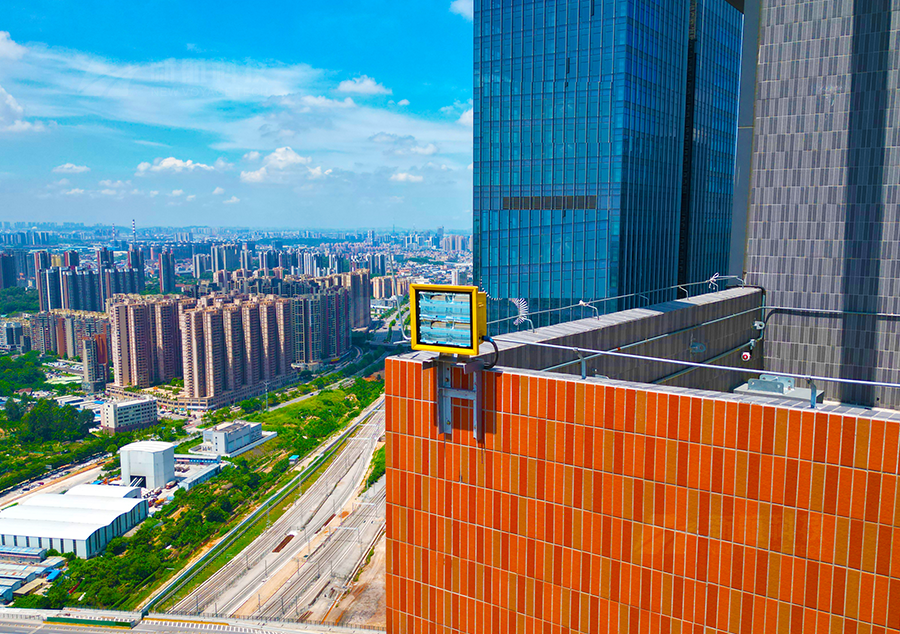
-
Medium Intensity Obstruction Light
Medium Intensity Obstruction Light medium intensity aviation lights, medium intensity aircraft warning lights, tower obstruction lights Medium-intensity obstacle lights, Types A and C, should be used alone, whereas medium-intensity obstacle lights, Type B, should be used either alone or in combination with low-intensity obstacle lights, Type B. More
-
Low Intensity Obstruction Light
Low Intensity Obstruction Light L810 obstruction light, red fixed obstruction light, tower crane warning light Low-intensity obstacle lights, Type A or B, should be used where the object is a less extensive one and its height above the surrounding ground is less than 45 m. More
-
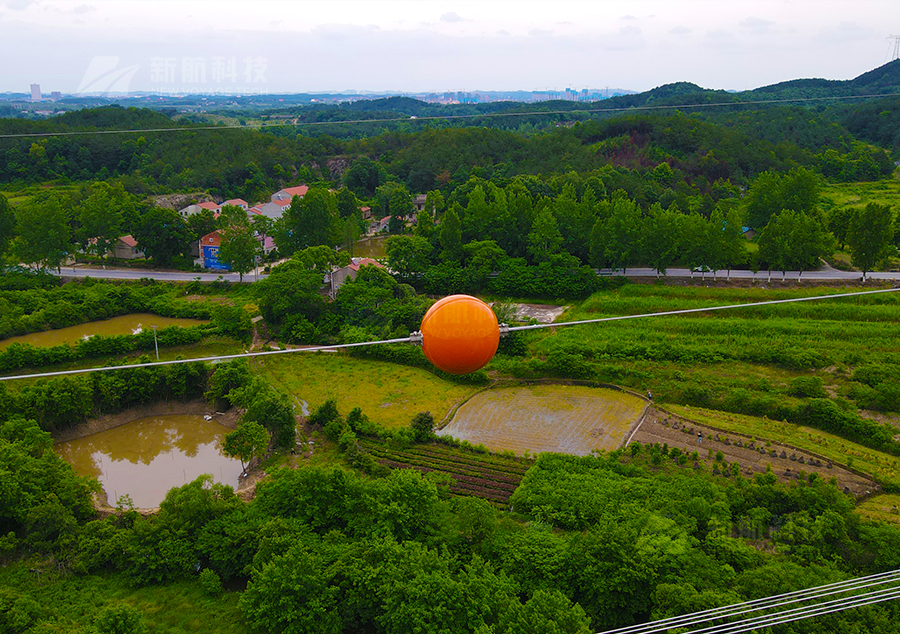
Aircraft Warning Sphere aircraft warning balls, transmission line warning spheres Aircraft warning spheres are typically installed on power lines span long distances crossing deep valleys, lakes and rivers etc., in area of approaches to airports and aerodromes. More
-
Obstacle Light Controller obstruction lights control panel, control system for aircraft warning lights New Voyage Tech provides customized controlling solutions for hig-rise buildings with BMS, telecom towers and chimney etc. Enable users to control and monitor operation status of the obstruction lights. More
-
-
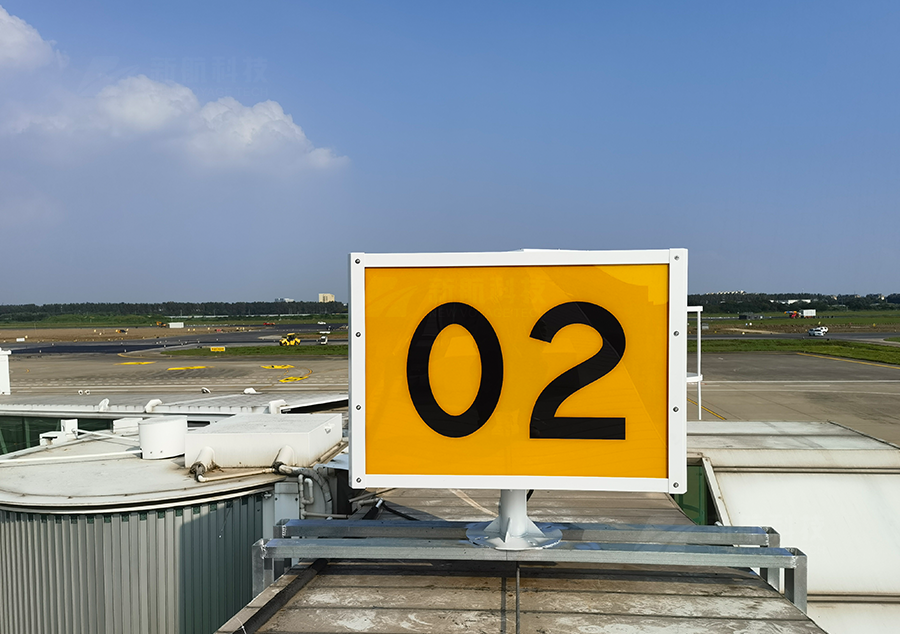
Airfield Guidance Sign direction signs, information signs, location signs, mandatory instruction signs, runway/taxiway sign Airport sign systems provide visual cues to pilots and vehicle operators that enhance safe and efficient movement within the airfield environment. Elevated signs protect aeronautical surfaces and convey ground navigation information that enhances situational awareness when maneuvering on the airfield. More
-
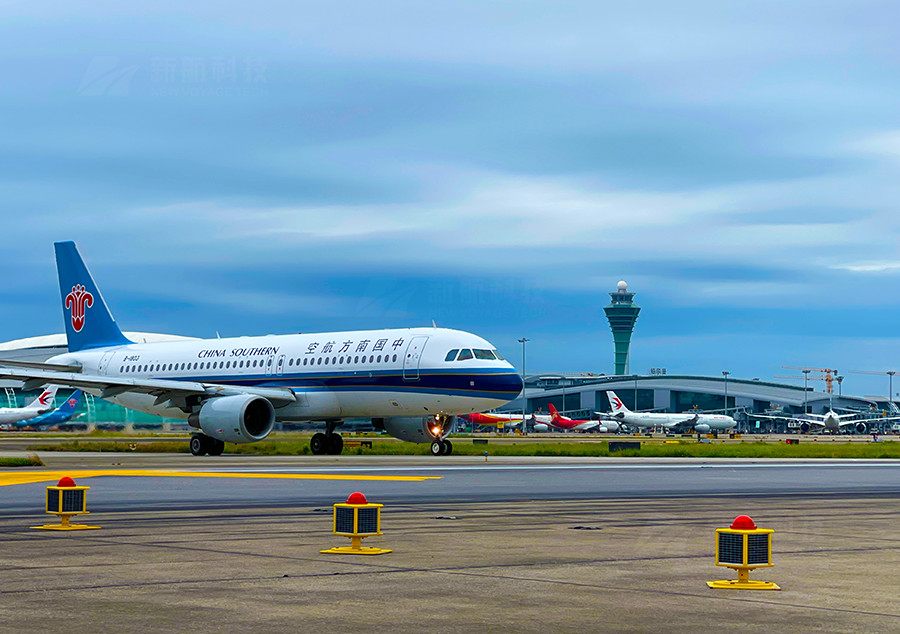
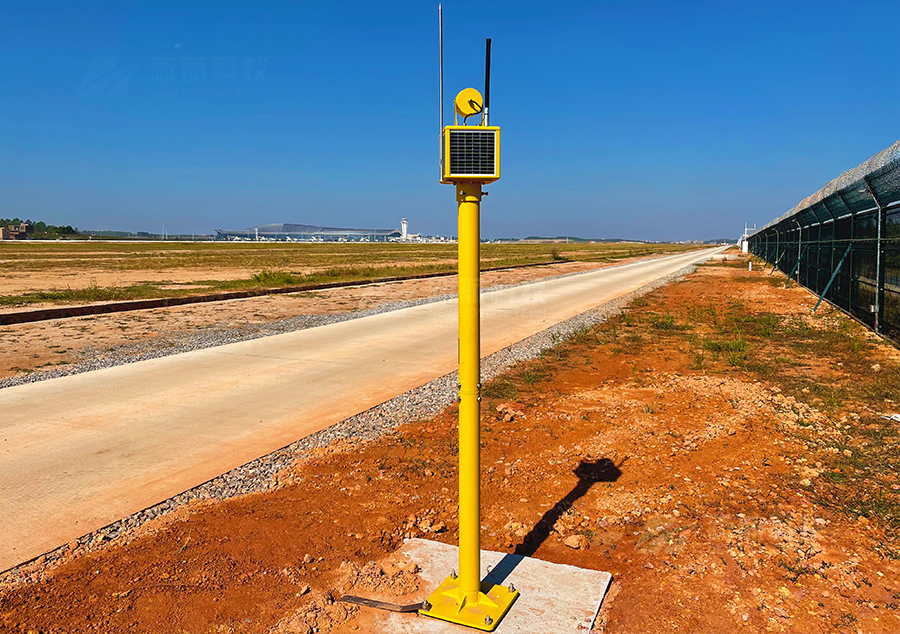
Unserviceability Light solar unserviceable area light, >10cd, red fixed, omidirectional light. Red fixed light for marking unserviceable area temporarily. A minimum of four such lights should be used, except where the area is triangular in shape where a minimum of three lights may be employed. Unserviceable area lights should be frangible. More
-
Meteorological visibility Light
-
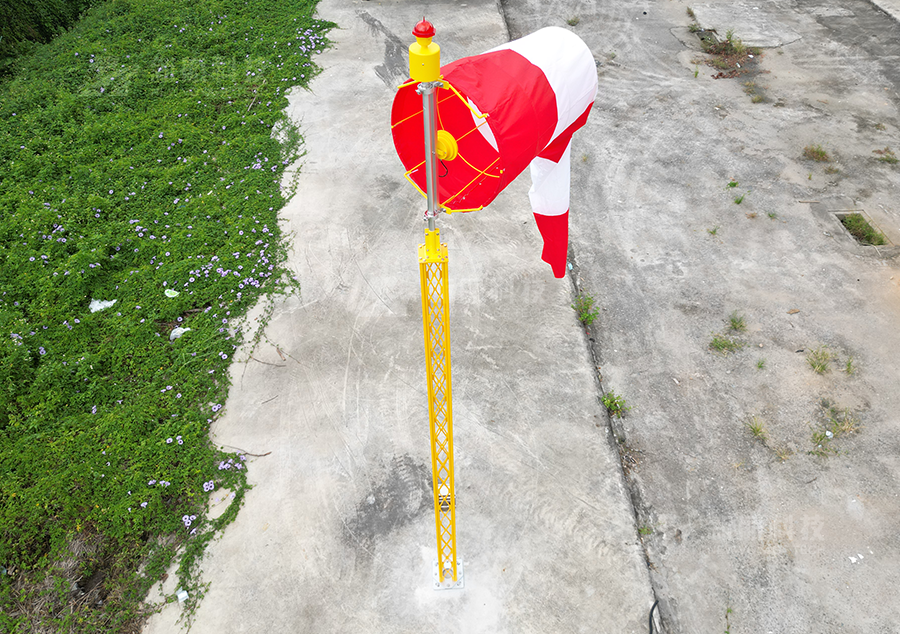
Wind Cone airport wind cone, frangible wind cone, rigid wind cone, internally lighted wind sock, wind vane Wind cones are used at airports to gives a clear indication of the direction of the wind and a general indication of the wind speed. Available in Type L806, Type L807 and Type L808. More
-
-
Taxiway Retroreflective Marker
Taxiway Retroreflective Marker retro reflective taxiway edgemarker, taxiway edge markings, airport retroflective marker Marking the edge of the taxiways, runways, ends and threshold. More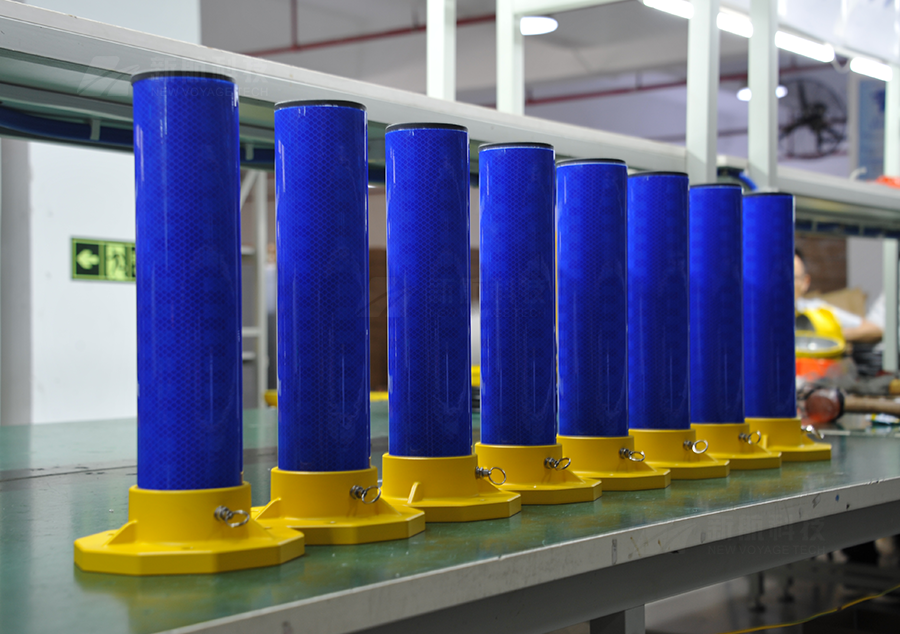
-
-
Touchdown and Lift-off Area Light
Touchdown and Lift-off Area Light TLOF perimeter light, heliport TLOF light, helipad TLOF light, TLOF inset light, TLOF elevated light Inset / elevated green fixed omidirectional light, to provide lighting for the touchdown and take-off area, enable the pilot to distinguish the touchdown and take-off area and its essential elements during the final approach. More -
Aiming Point Light LED aiming point light of heliport, white, omnidirectional, 100cd Aiming point lights shall form a pattern of at least six omnidirectional white lights. The lights shall be inset when a light extending above the surface could endanger helicopter operations. More
-
Final Approach and Take Off Area Light
Final Approach and Take Off Area Light FATO perimeter light, FATO light of heliport, withe omnidirectional light, 100cd Use of minimum of four flush or raised light fixtures per side of a square or rectanular FATO. Space lights at intervals of not more than 50m. To define a circular FATO, use a minimum of ten lights at intervals of not more than 5m. More -
Heliport Beacon heliport indentification beason, white light, 2500cd A heliport beacon should be provided ata heliport where long-range visual guidance is considered necessary and is not provided by other visual means; or identification of the heliport is difficult due to surrounding lights. More
-
Heliport Wind Cone lighted wind cone, wind direction indicator, heliport wind vane A heliport should be equipped with at least one wind cone that gives a clear indication of the direction of the wind and a general indication of the wind speed. The wind cone must be placed outside the safety zone and away from flight paths. More
-
Flight Path Alignment Guidance Light
Flight Path Alignment Guidance Light indicates the avialable approach and/or departure path direction Consists of a row of three or more lights spaced uniformly a total minimum distance of 6.2m. Intervals between lights should not be less than 1.5m and should not exceed 3m. Where space permits, there should be five lights. The lights should be steady onnidirectional insent white lights. More -
Taxiway Edge Light at least 2cd from 0° to 6° vertical, and 0.2 cd at any vertical angles between 6° and 75° Taxiway edge lights shall be fixed lights showing blue. The lights shall show up to at least 75° above the horizontal and at all angles in azimuth necessary to provide guidance to a pilot taxiing in either direction. More
-
Heliport Controller helipad control panel, heliport radio controller, heliport VHF controller Provide complete control of heliport lights. Lights control can be provided by low voltage DC or AC power. The output of the controller can be activated manually by switches, or automatically with the use of a photocell and/or VHF radio control. More
-
-
Heliport Lights helipad lights, heliport landing zone lights, heliport perimeter light We provide full range of heliport lights with control system suitable for surface level heliports and elevated heliports. These lights comply with ICAO and CAAC standards, contributing to the safety of landings or takeoffs. More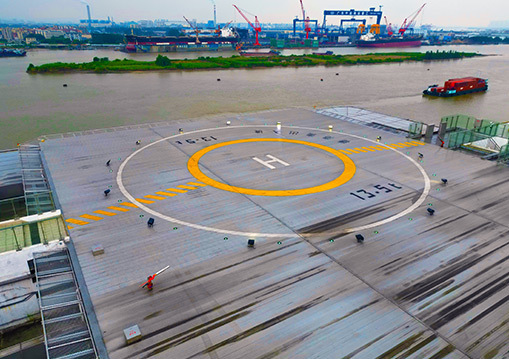
-
Airfield Lights Airport navigation lights are important facilities for ensuring the safe takeoff and landing of airc In the pitch-black night sky, they shine like stars, guiding airplanes to accurate taxiing and takeoff. These lights not only provide clear visual guidance for pilots, but also serve as a source of their confidence. In every corner of the airport, approach lights silently guard, ensuring the safety of aircraft. They are like guardians in the night sky, always sticking to their posts regardless of wind, rain, or thunder. In busy airports, approach lights play a vital role, ensuring the order and safety of flights, allowing every flight to take off safely. These are the airport approach lights, silently guarding our dreams of flight. More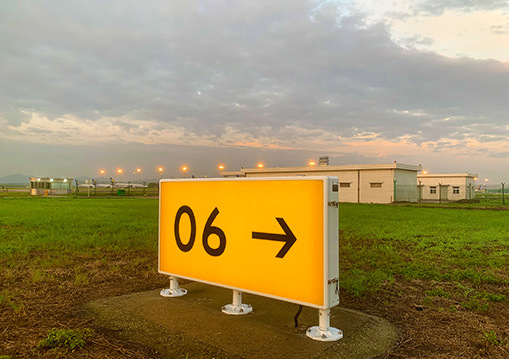
-
Aviation Obstruction Lights aircraft warning light, obstacle lights, aeronautical obstruction lights Typically installed on tall structures such as high-rise buildings, bridges, and towers. Its main function is to warn aircrafts to avoid collisions. These lights feature delivering high luminance at quite low power consumption. More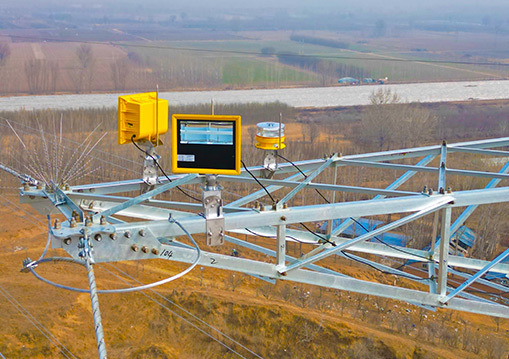
-
Top 5 Features to Look for in Low Intensity Obstruction Lights: Ensuring Safety and Compliance
2026-01-12

Top 5 Features to Look for in Low Intensity Obstruction Lights
Low intensity obstruction lights play a vital role in ensuring safety in various environments, especially in aviation. These lights are designed to warn pilots and other individuals of obstacles that can pose threats to air travel. In this article, we will explore the top five features you should consider when selecting low intensity obstruction lights to ensure safety, compliance, and efficiency.
Understanding Low Intensity Obstruction Lights
Before delving into the features, it's essential to understand what low intensity obstruction lights are and why they are crucial. These lights are specifically designed for marking obstacles that are less than 200 feet in height. They emit a steady or flashing light that is visible from a distance, alerting pilots to the presence of structures such as communication towers, wind turbines, and buildings.
Key Features to Consider
1. Brightness and Visibility
One of the most critical features of low intensity obstruction lights is their brightness and visibility. These lights must be bright enough to be seen from a distance, even in adverse weather conditions. Look for lights that offer a luminous intensity that meets or exceeds regulations set forth by aviation authorities. The visibility range of the light is also essential; ideally, it should be visible from at least a mile away in clear conditions.
Choosing the Right Luminous Intensity
When selecting low intensity obstruction lights, opt for those with a luminous intensity of at least 32.5 candela. This specification ensures that the light is prominent enough to alert pilots effectively. Additionally, consider the type of light source used. LED lights tend to offer a higher luminous output and longer lifespan compared to traditional incandescent bulbs.
2. Weather Resistance and Durability
Considering the outdoor nature of low intensity obstruction lights, weather resistance is another critical feature. The lights should be built to withstand various environmental conditions, including rain, snow, extreme temperatures, and UV radiation. Search for lights that are rated with an IP (Ingress Protection) rating of at least 65, ensuring that they are dust-tight and protected against water jets.
Materials Matter
The materials used in manufacturing the lights significantly impact their durability. Look for obstruction lights made from high-quality materials such as polycarbonate or aluminum, which provide excellent resistance to impact and corrosion. Ensuring that the lights can endure harsh conditions will reduce maintenance costs and extend their lifespan.
3. Energy Efficiency
Energy efficiency is a critical concern for any lighting solution, including low intensity obstruction lights. Opting for energy-efficient models not only lowers utility costs but also contributes to environmental sustainability. LED lights are typically the best option, as they consume significantly less power and have a longer operational life compared to traditional lighting solutions.
The Benefits of LED Technology
LED low intensity obstruction lights can last up to 50,000 hours or more, translating to years of maintenance-free operation. Additionally, their low power consumption can lead to considerable savings in energy bills, making them a cost-effective choice in the long run.
4. Compliance with Regulations
Compliance with aviation regulations is non-negotiable when choosing low intensity obstruction lights. Ensure that the lights meet the standards set by organizations such as the Federal Aviation Administration (FAA) or the International Civil Aviation Organization (ICAO). These bodies establish guidelines for light intensity, color, and operational specifications.
Understanding Compliance Standards
Familiarize yourself with the relevant regulations in your area. For instance, the FAA mandates that low intensity obstruction lights should emit a red light at night and a white light during the day. Non-compliance can lead to safety hazards and legal repercussions, making it crucial to select lights that adhere to these standards.
5. Ease of Installation and Maintenance
Finally, ease of installation and maintenance is an important feature to consider. The obstruction lights should come with clear instructions and all necessary components for installation. Additionally, look for lights designed for easy maintenance, such as those that allow for quick bulb replacements without requiring extensive disassembly.
Cost-Effective Installation
Consider the overall cost of installation, including labor costs. Selecting low intensity obstruction lights that are user-friendly can significantly reduce total expenditure. Some manufacturers also offer installation kits, which further simplify the process.
Conclusion
When it comes to ensuring safety in aviation and other critical areas, selecting the right low intensity obstruction lights is paramount. By focusing on the features discussed above—brightness and visibility, weather resistance and durability, energy efficiency, compliance with regulations, and ease of installation and maintenance—you can make informed choices that enhance safety and compliance. Always prioritize quality and adherence to standards, as these lights serve as vital markers for preventing accidents and ensuring safe air navigation.
FAQs
1. What is the primary purpose of low intensity obstruction lights?
The primary purpose of low intensity obstruction lights is to alert pilots and individuals of obstacles that could interfere with air travel, reducing the risk of accidents.
2. How do I determine the right brightness for my obstruction lights?
Choose lights with a luminous intensity of at least 32.5 candela to ensure optimal visibility from a significant distance.
3. Are LED lights better than incandescent bulbs for obstruction lights?
Yes, LED lights are more energy-efficient, last longer, and often provide higher luminous intensity compared to incandescent bulbs.
4. What materials should I look for in durable obstruction lights?
High-quality materials like polycarbonate or aluminum are recommended for their impact and corrosion resistance.
5. How can I ensure my obstruction lights are compliant with regulations?
Research the specific regulations set by your local aviation authority, such as the FAA or ICAO, and choose lights that meet or exceed these standards.


COPYRIGHT 2025 Guangzhou New Voyage Tech Co., Ltd.
Powered by 300.cn Privacy Policy City branch BusinessCard
Website product specifications and parameters are updated irregularly without further notice. Please contact our staff for the latest project product information.