Guangzhou New Voyage Tech Co., Ltd.


-
-
High Intensity Obstruction Light
High Intensity Obstruction Light high intensity obstacle lights, HV transmission tower obstruction lights, solar obstruction lights High-intensity obstacle lights are used to indicate the presence of towers and high-rise buildings etc. with height above the level of the surrounding ground exceeding 150m. More
-
Medium Intensity Obstruction Light
Medium Intensity Obstruction Light medium intensity aviation lights, medium intensity aircraft warning lights, tower obstruction lights Medium-intensity obstacle lights, Types A and C, should be used alone, whereas medium-intensity obstacle lights, Type B, should be used either alone or in combination with low-intensity obstacle lights, Type B. More
-
Low Intensity Obstruction Light
Low Intensity Obstruction Light L810 obstruction light, red fixed obstruction light, tower crane warning light Low-intensity obstacle lights, Type A or B, should be used where the object is a less extensive one and its height above the surrounding ground is less than 45 m. More
-
Aircraft Warning Sphere aircraft warning balls, transmission line warning spheres Aircraft warning spheres are typically installed on power lines span long distances crossing deep valleys, lakes and rivers etc., in area of approaches to airports and aerodromes. More

-
Obstacle Light Controller obstruction lights control panel, control system for aircraft warning lights New Voyage Tech provides customized controlling solutions for hig-rise buildings with BMS, telecom towers and chimney etc. Enable users to control and monitor operation status of the obstruction lights. More
-
-
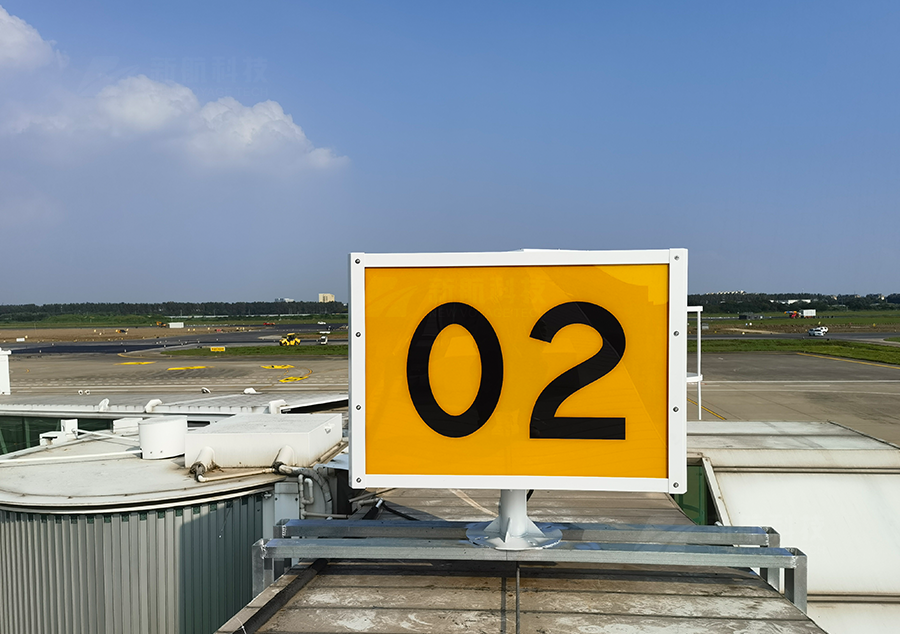
Airfield Guidance Sign direction signs, information signs, location signs, mandatory instruction signs, runway/taxiway sign Airport sign systems provide visual cues to pilots and vehicle operators that enhance safe and efficient movement within the airfield environment. Elevated signs protect aeronautical surfaces and convey ground navigation information that enhances situational awareness when maneuvering on the airfield. More
-
Unserviceability Light solar unserviceable area light, >10cd, red fixed, omidirectional light. Red fixed light for marking unserviceable area temporarily. A minimum of four such lights should be used, except where the area is triangular in shape where a minimum of three lights may be employed. Unserviceable area lights should be frangible. More

-
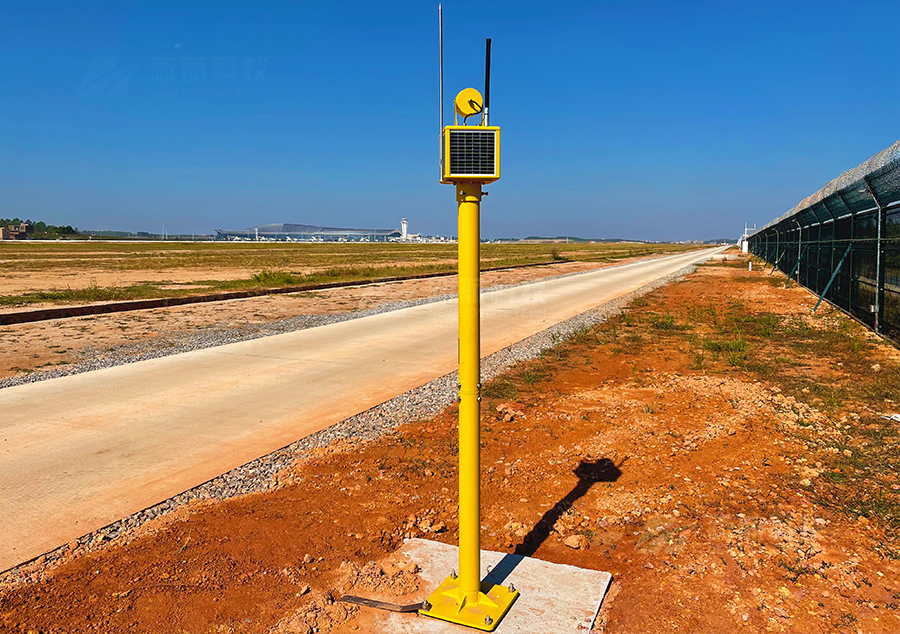
Meteorological visibility Light
-
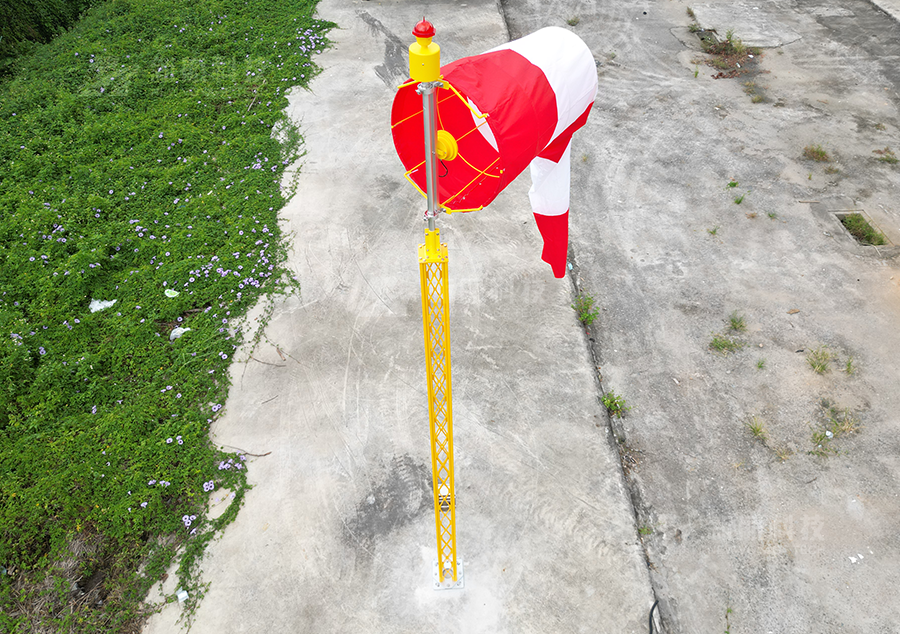
Wind Cone airport wind cone, frangible wind cone, rigid wind cone, internally lighted wind sock, wind vane Wind cones are used at airports to gives a clear indication of the direction of the wind and a general indication of the wind speed. Available in Type L806, Type L807 and Type L808. More
-
-
Taxiway Retroreflective Marker
Taxiway Retroreflective Marker retro reflective taxiway edgemarker, taxiway edge markings, airport retroflective marker Marking the edge of the taxiways, runways, ends and threshold. More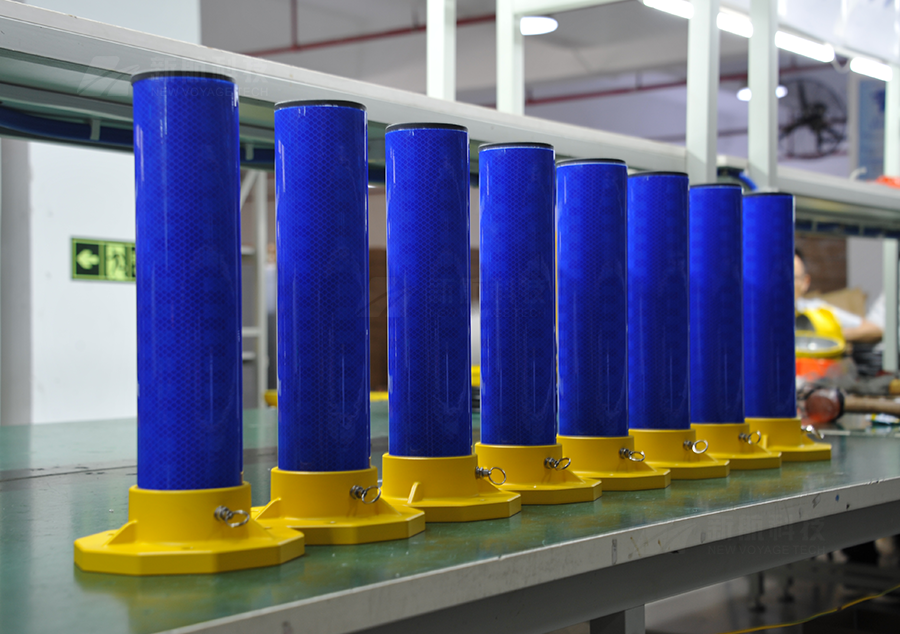
-
-
Touchdown and Lift-off Area Light
Touchdown and Lift-off Area Light TLOF perimeter light, heliport TLOF light, helipad TLOF light, TLOF inset light, TLOF elevated light Inset / elevated green fixed omidirectional light, to provide lighting for the touchdown and take-off area, enable the pilot to distinguish the touchdown and take-off area and its essential elements during the final approach. More -
Aiming Point Light LED aiming point light of heliport, white, omnidirectional, 100cd Aiming point lights shall form a pattern of at least six omnidirectional white lights. The lights shall be inset when a light extending above the surface could endanger helicopter operations. More
-
Final Approach and Take Off Area Light
Final Approach and Take Off Area Light FATO perimeter light, FATO light of heliport, withe omnidirectional light, 100cd Use of minimum of four flush or raised light fixtures per side of a square or rectanular FATO. Space lights at intervals of not more than 50m. To define a circular FATO, use a minimum of ten lights at intervals of not more than 5m. More -
Heliport Beacon heliport indentification beason, white light, 2500cd A heliport beacon should be provided ata heliport where long-range visual guidance is considered necessary and is not provided by other visual means; or identification of the heliport is difficult due to surrounding lights. More
-
Heliport Wind Cone lighted wind cone, wind direction indicator, heliport wind vane A heliport should be equipped with at least one wind cone that gives a clear indication of the direction of the wind and a general indication of the wind speed. The wind cone must be placed outside the safety zone and away from flight paths. More
-
Flight Path Alignment Guidance Light
Flight Path Alignment Guidance Light indicates the avialable approach and/or departure path direction Consists of a row of three or more lights spaced uniformly a total minimum distance of 6.2m. Intervals between lights should not be less than 1.5m and should not exceed 3m. Where space permits, there should be five lights. The lights should be steady onnidirectional insent white lights. More -
Taxiway Edge Light at least 2cd from 0° to 6° vertical, and 0.2 cd at any vertical angles between 6° and 75° Taxiway edge lights shall be fixed lights showing blue. The lights shall show up to at least 75° above the horizontal and at all angles in azimuth necessary to provide guidance to a pilot taxiing in either direction. More
-
Heliport Controller helipad control panel, heliport radio controller, heliport VHF controller Provide complete control of heliport lights. Lights control can be provided by low voltage DC or AC power. The output of the controller can be activated manually by switches, or automatically with the use of a photocell and/or VHF radio control. More
-
-
Heliport Lights helipad lights, heliport landing zone lights, heliport perimeter light We provide full range of heliport lights with control system suitable for surface level heliports and elevated heliports. These lights comply with ICAO and CAAC standards, contributing to the safety of landings or takeoffs. More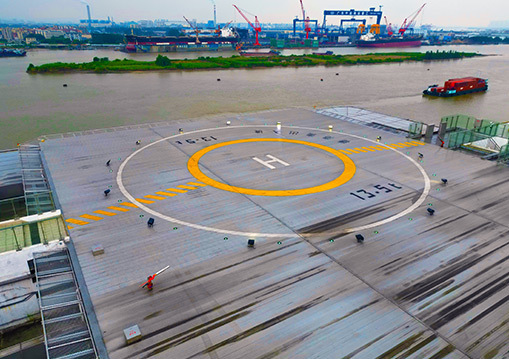
-
Airfield Lights Airport navigation lights are important facilities for ensuring the safe takeoff and landing of airc In the pitch-black night sky, they shine like stars, guiding airplanes to accurate taxiing and takeoff. These lights not only provide clear visual guidance for pilots, but also serve as a source of their confidence. In every corner of the airport, approach lights silently guard, ensuring the safety of aircraft. They are like guardians in the night sky, always sticking to their posts regardless of wind, rain, or thunder. In busy airports, approach lights play a vital role, ensuring the order and safety of flights, allowing every flight to take off safely. These are the airport approach lights, silently guarding our dreams of flight. More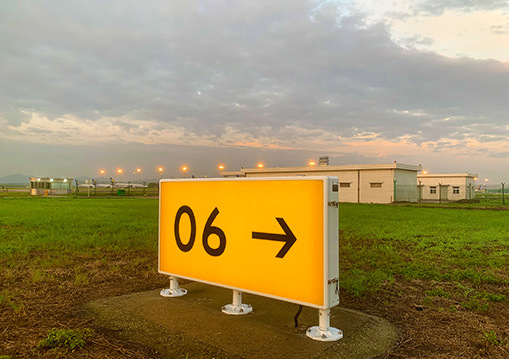
-
Aviation Obstruction Lights aircraft warning light, obstacle lights, aeronautical obstruction lights Typically installed on tall structures such as high-rise buildings, bridges, and towers. Its main function is to warn aircrafts to avoid collisions. These lights feature delivering high luminance at quite low power consumption. More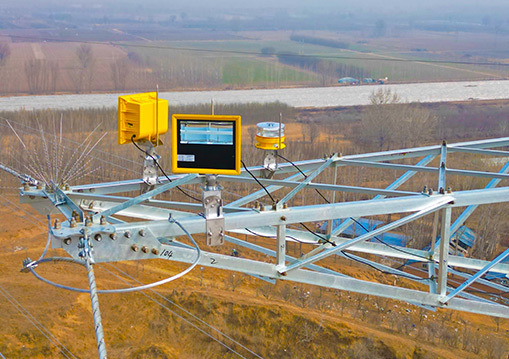
-
How Heliport Beacon Lights Work: An In-Depth Look at Their Functionality and Importance
2026-03-13

How Heliport Beacon Lights Work: An In-Depth Look
Table of Contents
- Introduction to Heliport Beacon Lights
- Importance of Heliport Beacon Lights in Aviation
- Types of Heliport Beacon Lights
- Technology Behind Heliport Beacon Lights
- Regulatory Standards and Compliance
- Maintenance and Care of Heliport Beacon Lights
- Benefits of Using Heliport Beacon Lights
- Future of Heliport Beacon Lighting Systems
- FAQs about Heliport Beacon Lights
- Conclusion
Introduction to Heliport Beacon Lights
Heliport beacon lights play a **crucial role** in ensuring the safety and efficiency of helicopter operations. These lights are designed to provide visual guidance to pilots during approach, landing, and take-off phases, especially in low-visibility conditions. Understanding how these lights function and their various components is essential for aviation professionals, heliport operators, and safety regulators.
Importance of Heliport Beacon Lights in Aviation
The significance of heliport beacon lights cannot be overstated. They provide a **critical visual reference** for pilots, helping them navigate to and from heliports safely. In urban environments where buildings and other structures may obstruct visibility, these lights serve as a beacon of safety, guiding helicopters accurately to their designated landing zones. Additionally, they help prevent accidents by marking the heliport's boundaries and ensuring compliance with aviation regulations.
The Role of Heliport Beacons in Emergency Situations
In emergency scenarios, such as medical evacuations or search and rescue operations, the reliability of heliport beacon lights becomes even more vital. They facilitate quick and efficient landings, which can be crucial in saving lives. In these situations, the **visibility and functionality** of the beacon lights can make a significant difference.
Types of Heliport Beacon Lights
There are various types of heliport beacon lights, each designed for specific purposes and environments. The main categories include:
1. Rotating Beacons
Rotating beacons emit a powerful beam of light that moves in a circular pattern. This type of light is highly effective in attracting attention and is often used in larger heliports.
2. Fixed Beacons
Fixed beacons provide a constant source of illumination. These lights are typically used in areas that require a steady visual reference, such as near hospitals or medical facilities.
3. LED Beacons
Advancements in technology have led to the development of LED beacons, which are more energy-efficient and have a longer lifespan compared to traditional lighting solutions. LEDs also offer enhanced visibility, making them a popular choice for modern heliports.
4. Infrared Beacons
Infrared beacons are used in situations where thermal imaging is essential. They are particularly beneficial during nighttime operations or in poor visibility conditions.
Technology Behind Heliport Beacon Lights
Understanding the technology that drives heliport beacon lights is essential for appreciating their functionality. Most modern heliport beacons utilize a combination of light-emitting diodes (LEDs) and sophisticated control systems.
Light Emitting Diodes (LEDs)
LEDs are at the heart of many modern heliport lighting systems. They are known for their **durability**, energy efficiency, and low maintenance requirements. LEDs produce bright light without consuming significant power, making them ideal for continuous operation.
Control Systems
Advanced control systems allow for the integration of various features, such as automatic brightness adjustment based on ambient light conditions and remote operation capabilities. This technology enables operators to manage the lights effectively, ensuring optimal performance.
Regulatory Standards and Compliance
Heliport beacon lights must adhere to specific regulatory standards to ensure safety and effectiveness. Organizations such as the Federal Aviation Administration (FAA) and International Civil Aviation Organization (ICAO) provide guidelines for the installation and maintenance of these lighting systems.
Key Regulations
Understanding the key regulations is essential for compliance. Some of the most critical aspects include:
- **Brightness Levels:** Regulations dictate minimum brightness levels to ensure visibility from a distance.
- **Color Specifications:** Different colors are used to denote various signals, such as red for caution and green for safe landing.
- **Maintenance Protocols:** Regular inspections and maintenance are required to ensure that the lights are functioning correctly at all times.
Maintenance and Care of Heliport Beacon Lights
Proper maintenance is essential to ensure the longevity and reliability of heliport beacon lights. Regular inspections and timely repairs can prevent potential failures and ensure safety.
Routine Inspections
Routine inspections should include checking the integrity of the light fixtures, ensuring that all bulbs are functioning, and cleaning any dirt or debris that may obstruct the light's visibility.
Preventive Maintenance
Preventive maintenance measures, such as replacing aging components and conducting electrical system checks, are crucial in extending the life of heliport beacon lights.
Benefits of Using Heliport Beacon Lights
The advantages of using heliport beacon lights extend beyond mere compliance with regulations. These benefits include:
1. Enhanced Safety
Heliport beacon lights significantly reduce the risk of accidents by providing clear visual guidance, especially during adverse weather conditions.
2. Increased Operational Efficiency
With reliable lighting, helicopter operations can proceed with greater efficiency, minimizing delays and optimizing flight schedules.
3. Improved Visibility
Modern technologies, such as LED lights, offer superior visibility, making it easier for pilots to locate heliports quickly.
Future of Heliport Beacon Lighting Systems
As technology continues to advance, the future of heliport beacon lighting systems looks promising. Innovations in smart lighting, including integration with drone technology and automated systems, are on the horizon.
Smart Lighting Solutions
Smart lighting solutions could revolutionize the way heliport beacon lights are operated, allowing for real-time adjustments based on weather conditions, traffic, and other variables.
Integration with Air Traffic Management Systems
Future developments may also include better integration with air traffic management systems, providing pilots with critical information about heliport operations and conditions.
FAQs about Heliport Beacon Lights
1. What are heliport beacon lights used for?
Heliport beacon lights are used to provide visual guidance to pilots during the approach, landing, and takeoff phases, especially in low visibility conditions.
2. How often should heliport beacon lights be inspected?
Regular inspections should be conducted at least once a month, with more thorough checks scheduled quarterly to ensure compliance with safety regulations.
3. What color lights are used for heliport beacons?
Typically, red lights indicate caution, while green lights signify safe landing zones. Additional colors may be used for specific purposes based on regulatory standards.
4. Can heliport beacon lights function in adverse weather conditions?
Yes, modern heliport beacon lights are designed to operate effectively in various weather conditions, ensuring continuous visibility for pilots.
5. How do LED heliport beacons compare to traditional lighting?
LED heliport beacons are more energy-efficient, have a longer lifespan, and provide brighter illumination than traditional lighting solutions, making them a superior choice for heliport operations.
Conclusion
Heliport beacon lights are an indispensable component of aviation safety, guiding pilots during critical phases of flight. By understanding their functionality, types, and technological advancements, stakeholders can ensure the highest safety standards in heliport operations. As technology continues to evolve, the future promises even greater enhancements in heliport lighting systems, paving the way for safer and more efficient helicopter operations. Investing in these lighting systems is not just about compliance—it's about committing to the safety and efficiency of air travel.


COPYRIGHT 2025 Guangzhou New Voyage Tech Co., Ltd.
Powered by 300.cn Privacy Policy City branch BusinessCard
Website product specifications and parameters are updated irregularly without further notice. Please contact our staff for the latest project product information.